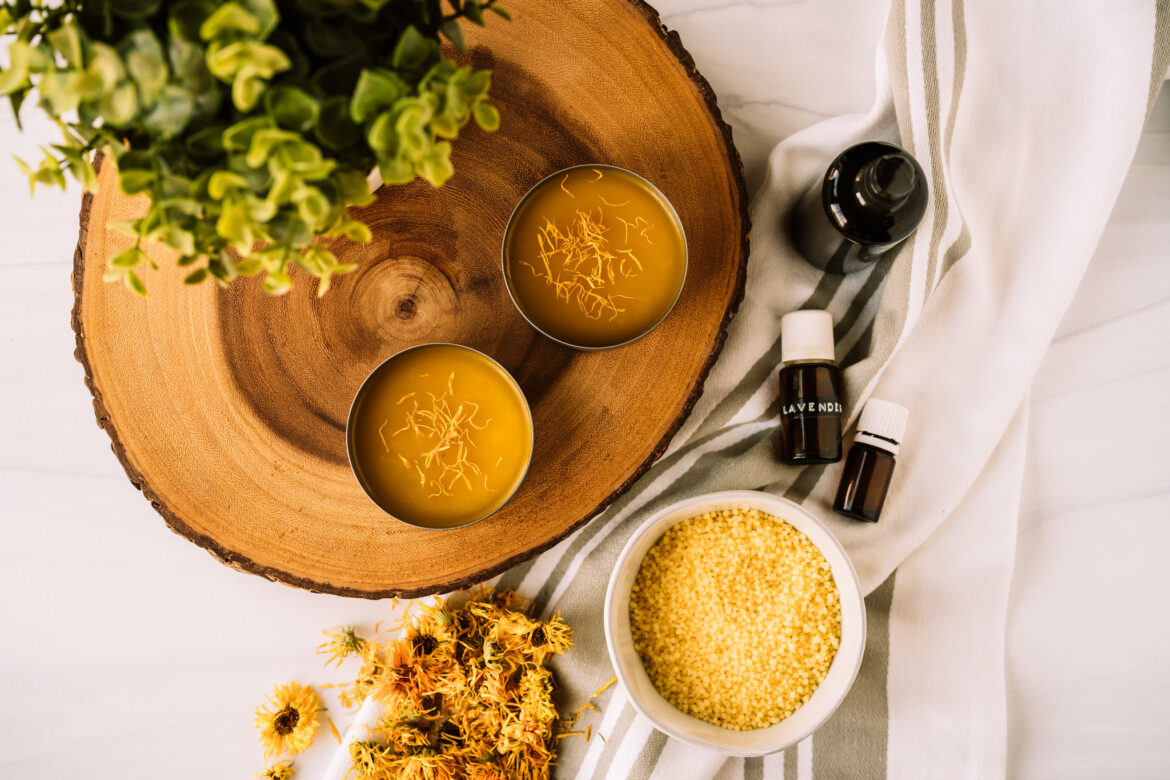
If I could only grow a handful of medicinal herbs, calendula would always make the list.
Of all the herbs I grow, calendula is one of the hardest-working.
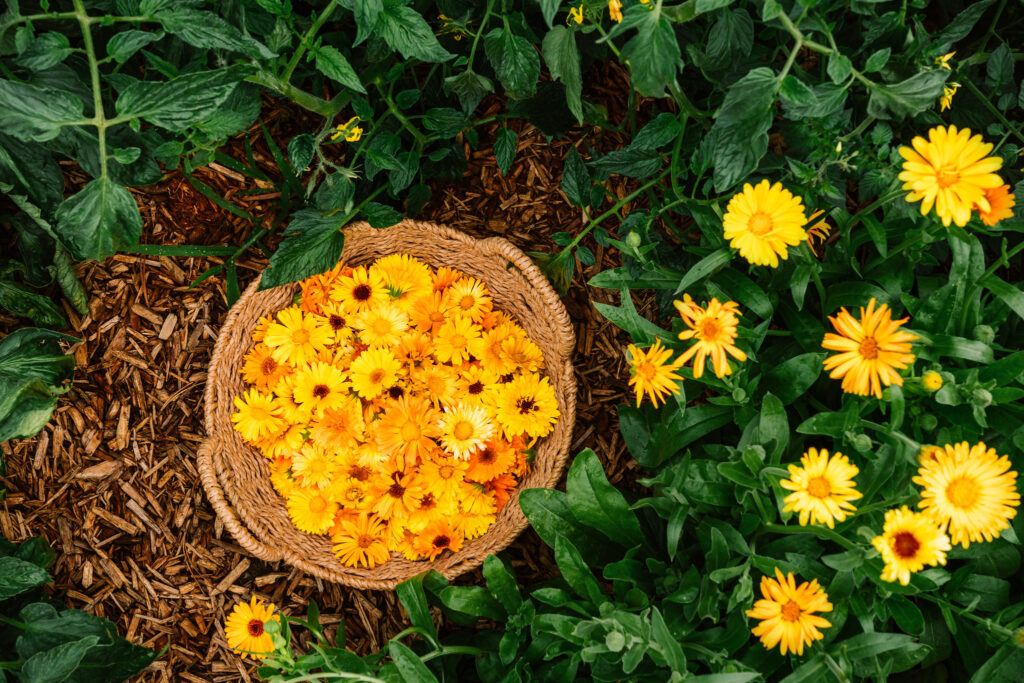
Every summer I harvest baskets of bright orange blossoms, dry them, and infuse them into oil. That oil becomes salves, balms, body care products, and skin-supportive remedies that my family reaches for all year long. Nearly every time a recipe calls for a carrier oil, I’m grabbing my calendula-infused oil for the added benefits!
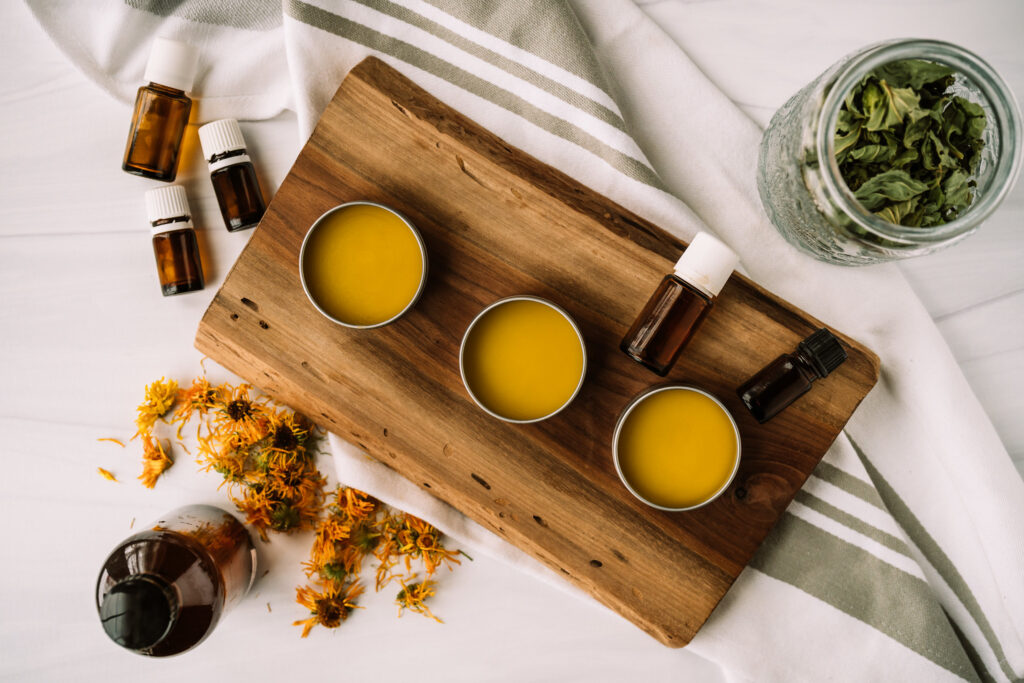
From scraped knees and scratches to dry hands, rough patches, and chapped lips, this calendula salve recipe has earned a permanent place in our home.
What I love most is how simple it is.
You don’t need dozens of herbs or complicated recipes to begin exploring herbalism. In fact, calendula salve is often one of the very first herbal preparations I encourage people to make because it’s approachable, practical, and genuinely useful. And…it smells amazing!
In this post I’ll show you exactly how I make it.
What Is Calendula?
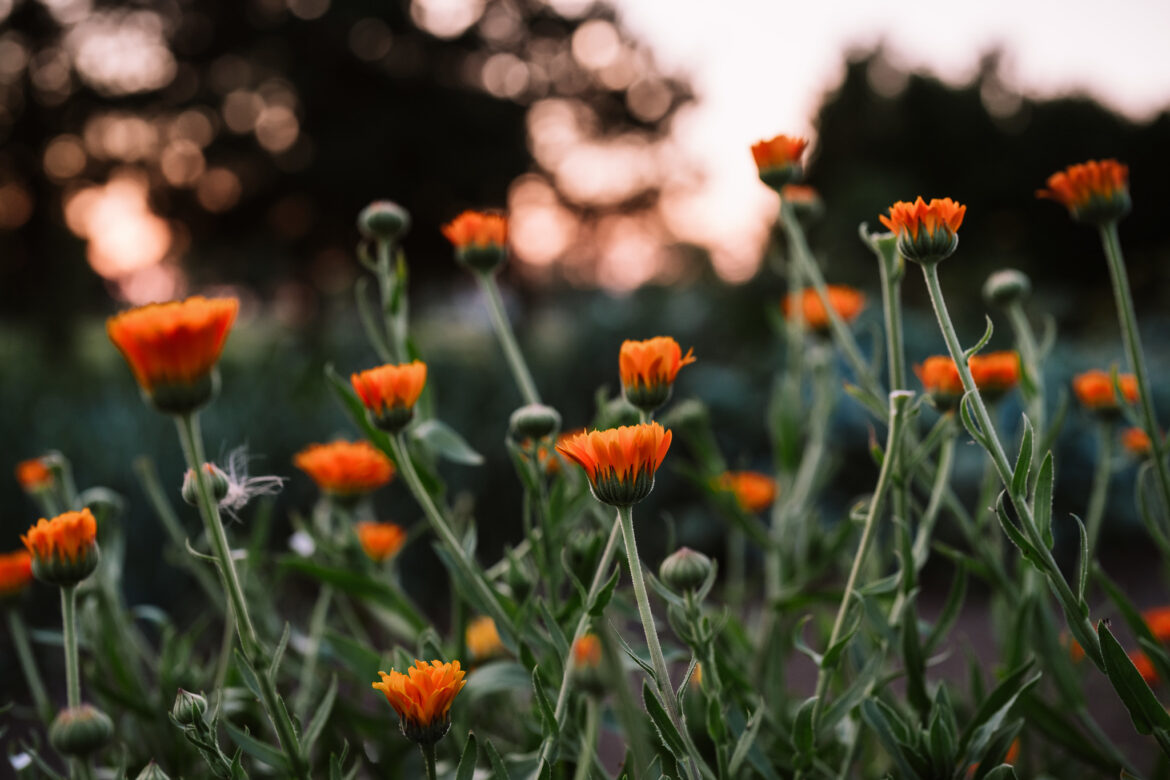
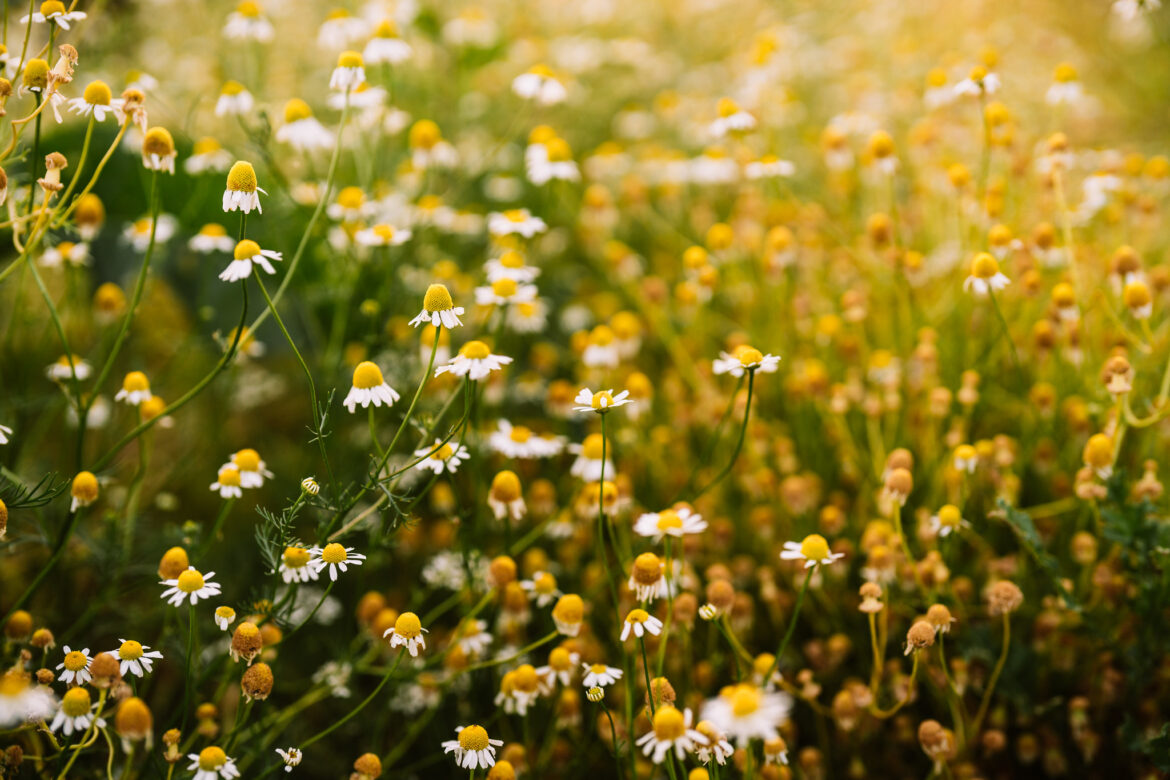
Calendula (Calendula officinalis), sometimes called pot marigold, is a cheerful annual flower known for its bright yellow and orange blooms.
For generations, herbalists have used calendula to support and soothe the skin. The petals contain plant compounds that make calendula a favourite ingredient in salves, oils, creams, and other skin care preparations.
It’s also one of the easiest medicinal herbs to grow in the garden.
I plant calendula every year and usually have more flowers than I know what to do with. The blooms are easy to harvest, dry beautifully, and can be turned into a wide variety of herbal preparations.
One of the reasons I grow so much calendula each year is that it works double duty in the garden. Not only does it provide a steady harvest of medicinal flowers, but it also supports the overall health of the garden itself.
Calendula’s bright blooms attract a wide range of beneficial insects and pollinators. These helpful insects play an important role in pollination and can help keep certain pest populations in check.
Many gardeners also plant calendula alongside vegetables such as tomatoes. While it isn’t a magic shield against pests, calendula is often used as a companion plant because it may help distract aphids and other insects away from nearby crops while attracting beneficial predators that feed on them.
In my own garden, calendula finds its way into multiple vegetable beds. It blooms for months, reseeds readily, supports pollinators, and provides baskets of flowers for herbal preparations.
For a plant that asks for so little, it gives an incredible amount in return.
Why I Love Calendula Salve
Calendula salve is one of those simple remedies that seems to get used for everything.
In our home, we commonly reach for it to support:
- Dry hands
- Chapped lips
- Rough elbows and knees
- Minor scrapes and scratches
- Windburned skin
- Dry patches
- General skin nourishment
Because it contains only a few ingredients, it’s also a wonderful beginner herbal project.
How to Make Calendula-Infused Oil
Before you can make calendula salve, you’ll need calendula-infused oil.
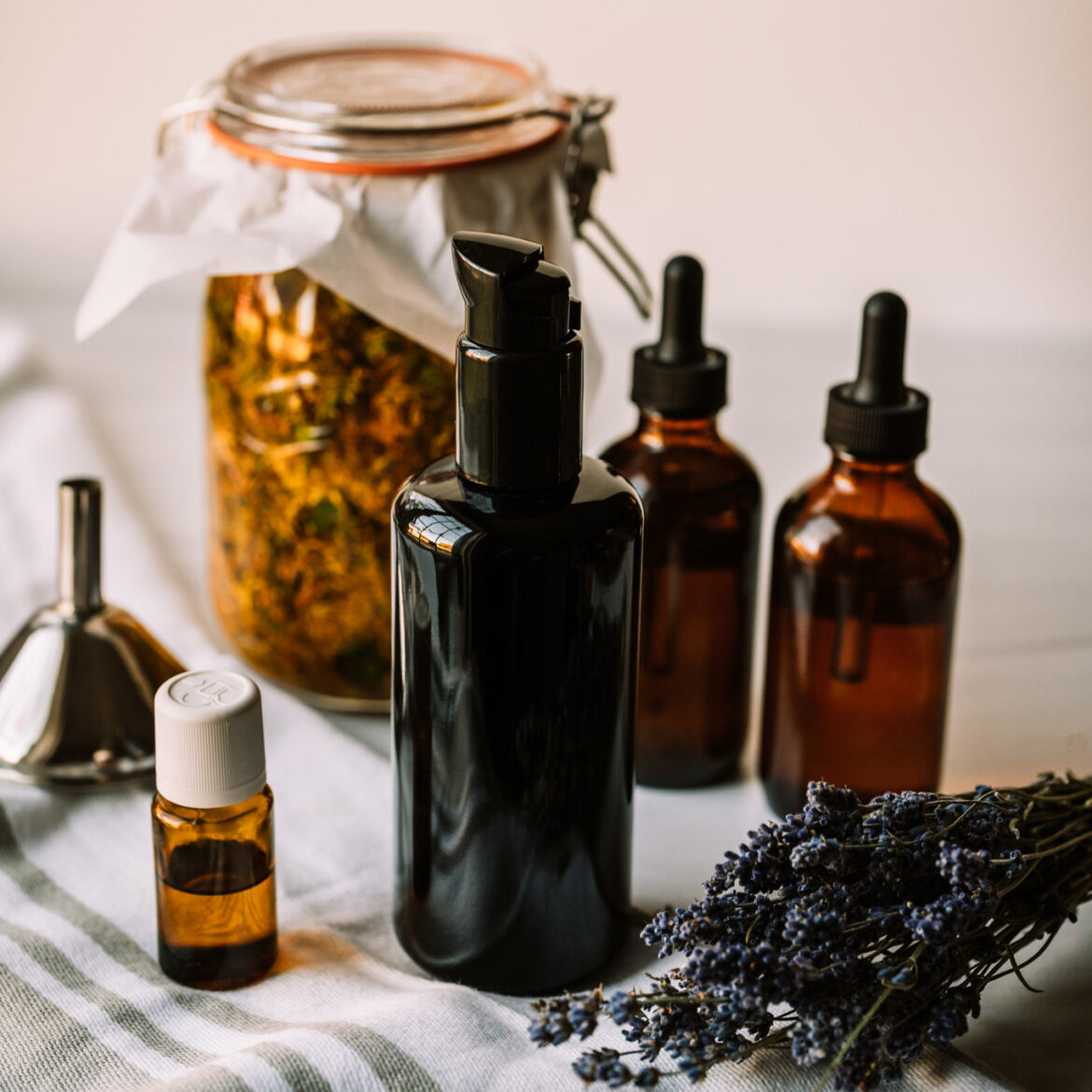
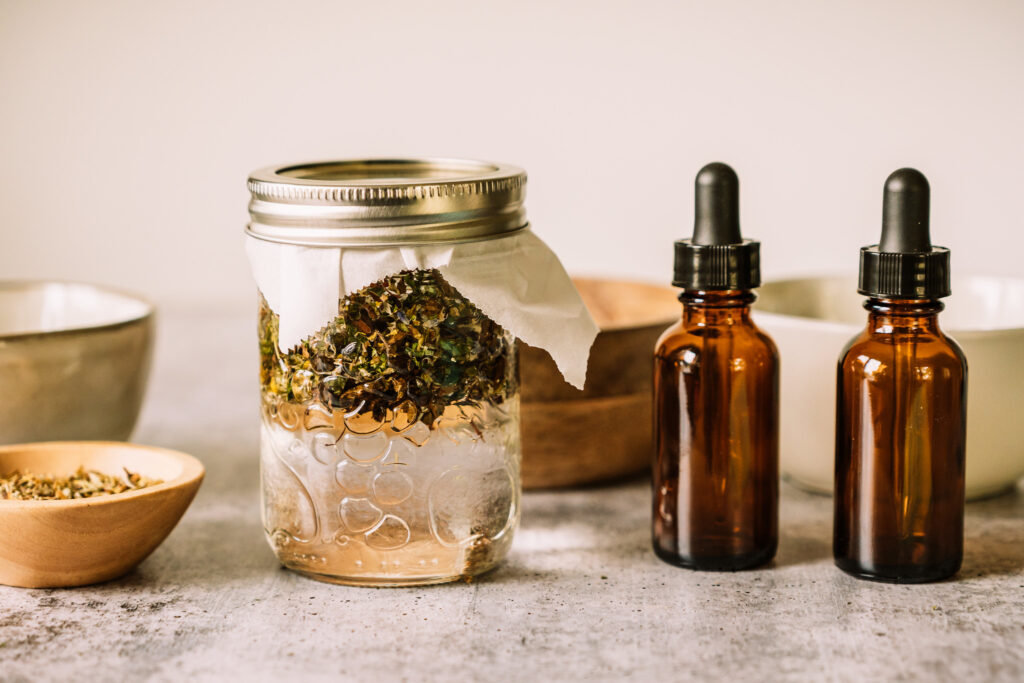
Simply fill a clean glass jar with dried calendula flowers. I usually pack it very lightly in the jar, leaving enough head-space so the oil can completely cover the dried calendula. I then pour the oil, ensuring all the flowers are submerged.
Store the jar in a warm location for 4–6 weeks, flipping occasionally.
When the infusion is complete, strain out the flowers and store the finished oil in a clean glass container.
Some good carrier oil choices include:
- Olive oil
- Sweet almond oil
- Sunflower oil
- Jojoba oil (my personal favourite)
I personally love jojoba oil because it’s very similar to the skin’s natural oils. However, in my experience everyone’s skin behaves differently, and sometimes you just have to experiment to find what works best for you.
All-Purpose Calendula Salve Recipe
Ingredients
- 1/2 cup calendula-infused oil (see above)
- 14–15 g beeswax pellets (about 1 tablespoon)
- 1/2 tablespoon shea butter (optional)
- 3–5 drops vitamin E oil (optional)
- 3–6 drops lavender essential oil (optional)
Instructions
- Combine the calendula-infused oil and beeswax in a heat-safe jar or double boiler.
- Heat gently until completely melted.
- Stir in the shea butter if using.
- Remove from heat.
- Add vitamin E and lavender essential oil if desired.
- Pour into tins or jars and allow to cool completely before using.
Frequently Asked Questions
Can I make calendula salve without essential oils?
Absolutely.
Calendula salve works beautifully on its own. The lavender essential oil is completely optional.
How long does calendula salve last?
When made with fresh ingredients and stored away from heat and direct sunlight, calendula salve will typically last 12 months or longer.
Can I use fresh calendula flowers?
I recommend using dried calendula flowers when making infused oil. Fresh flowers contain water, which can increase the risk of spoilage.
Is calendula easy to grow?
Very.
Calendula is one of the easiest herbs I grow. It germinates readily, blooms for months, attracts pollinators, and often reseeds itself.
Final Thoughts
If you’re interested in herbalism but feel overwhelmed by all the information out there, start here.
One herb. One infused oil. One simple salve.
Calendula salve is proof that herbalism doesn’t have to be complicated to be effective. Sometimes the simplest remedies are the ones we reach for most often.
And if you have room in your garden this year, consider planting a packet of calendula seeds. You may be surprised by how often you find yourself reaching for those cheerful orange flowers!