Welcome
  • Home
  • Blog
  • Shop
  • About
  • Contact
  • 0
Author

Daily Aromatics

Daily Aromatics

Botanical SkincareEssential Oils

The Essential Oils I Reach for Most for Skin Care

by Daily Aromatics June 25, 2026

When people first begin exploring natural skin care, they often assume they need a large collection of essential oils. The truth is, a handful of versatile oils can go a long way.

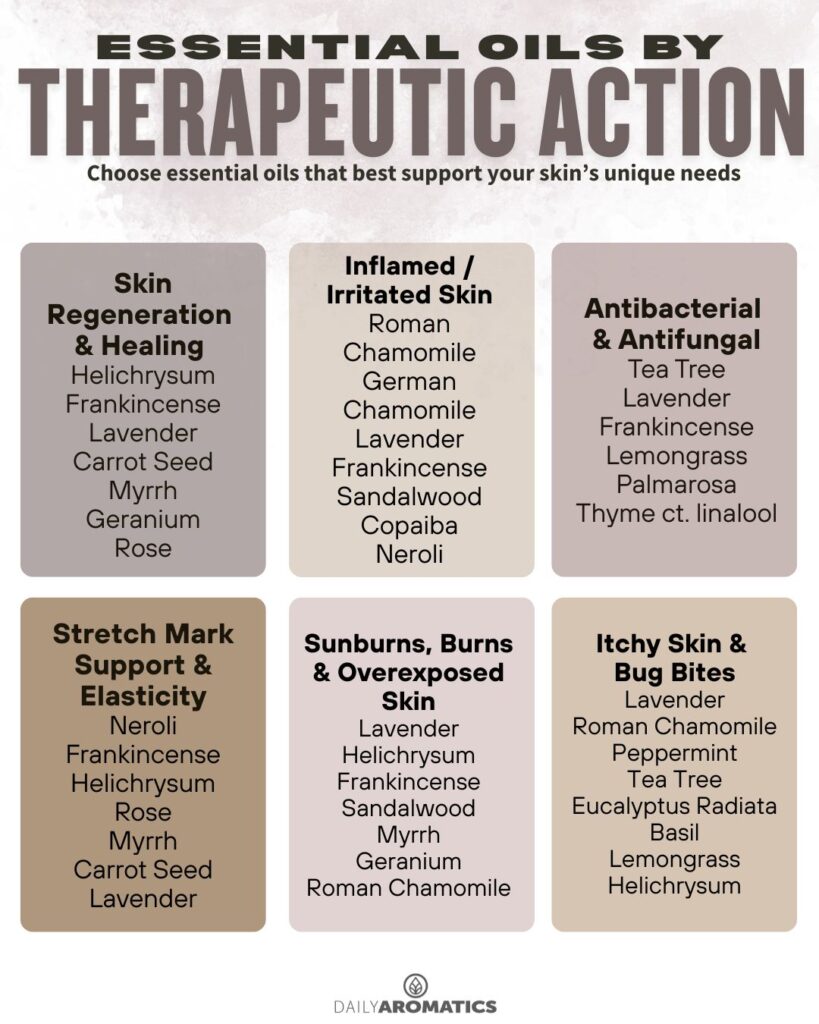
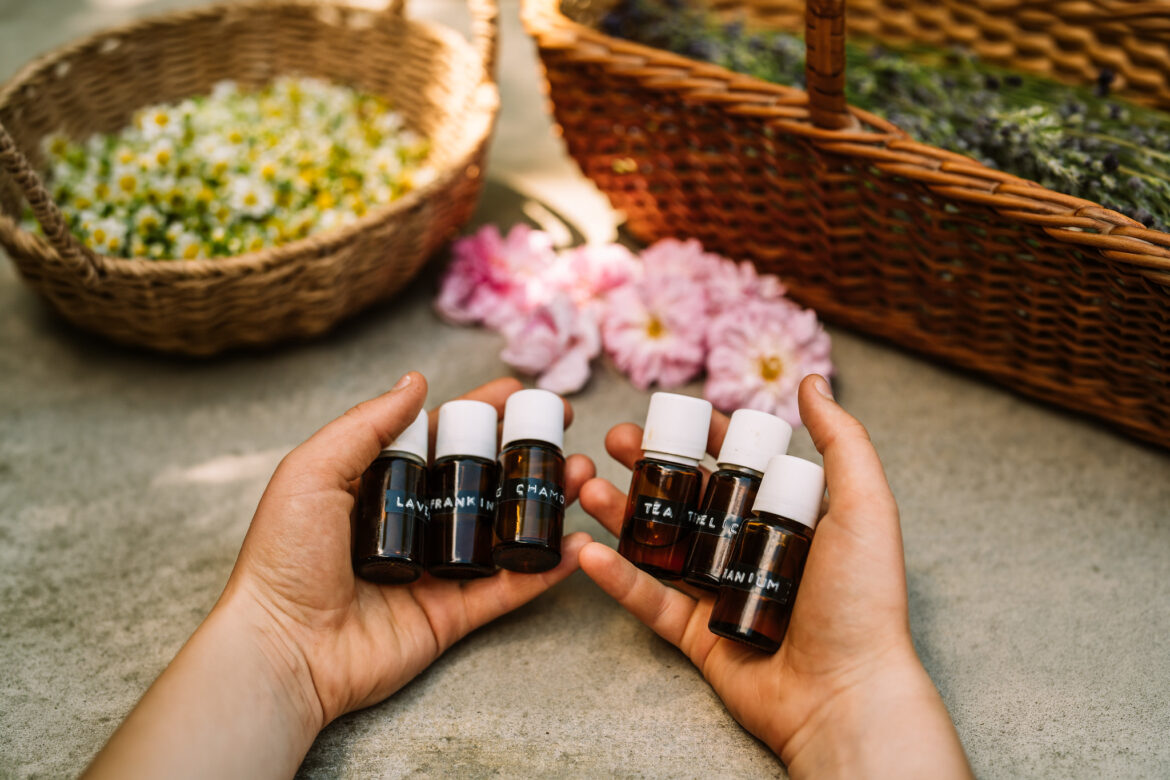
After years of using essential oils in my own home and studying aromatherapy, these are the oils I reach for most often when creating facial oils, salves, body products, and other skin care preparations.

1. Lavender Essential Oil

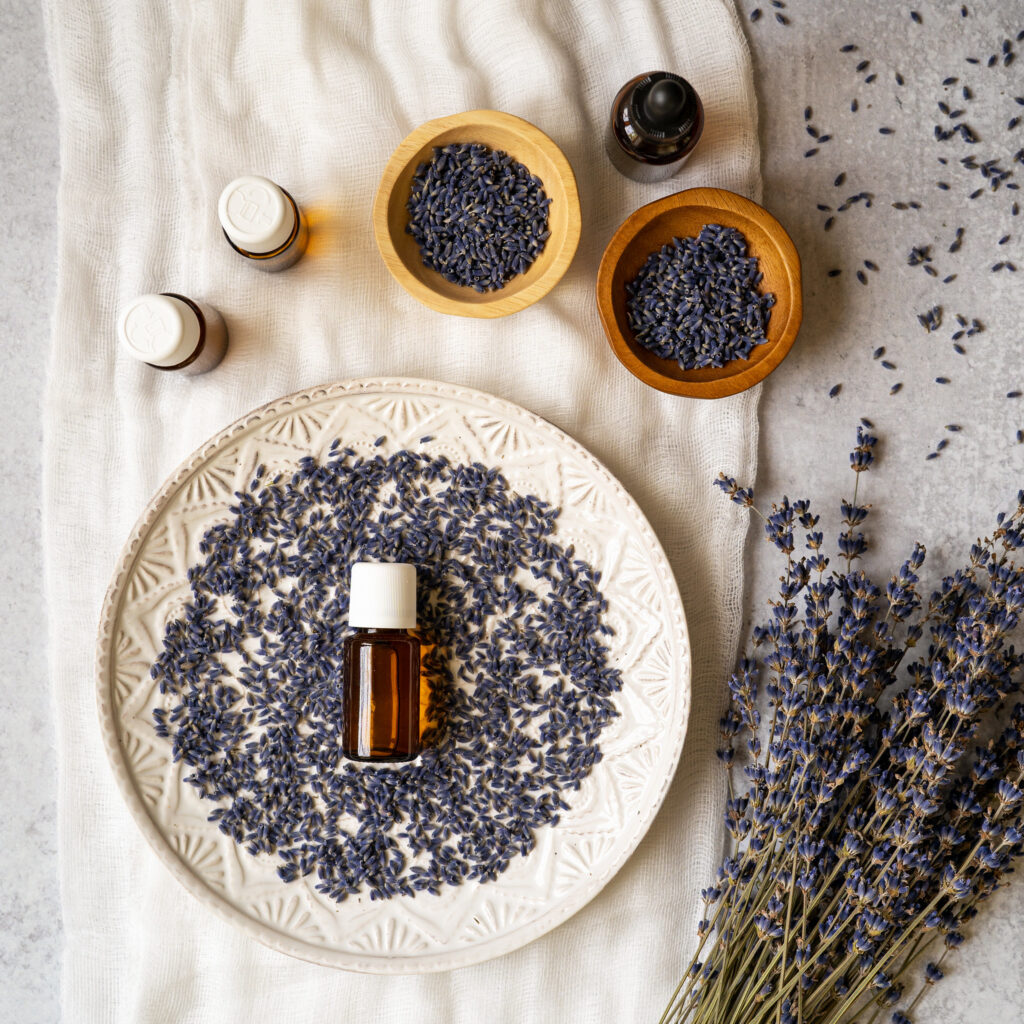
If I could only keep one essential oil for skin care, lavender would be high on the list.

Lavender is one of the most versatile essential oils available and works well in products for nearly every skin type. It is gentle, widely tolerated, and blends beautifully with other oils.

I often include lavender in:

  • Calendula salves
  • Face serums
  • Body oils
  • After-sun products
  • Hand creams
  • Lip balms

Because it is so versatile, lavender is often the first essential oil I recommend for beginners interested in making their own skin care products.

2. Frankincense Essential Oil

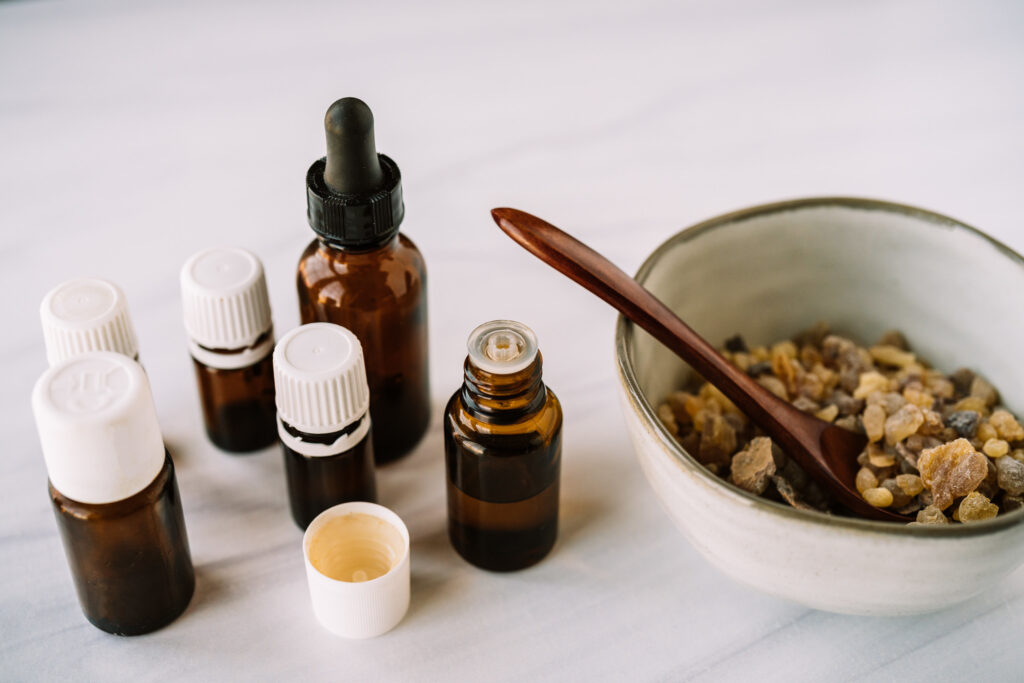
If lavender is the most versatile skin care oil in my collection, frankincense is probably my favourite oil for mature skin.

Frankincense has earned a permanent place in my skin care cupboard because of the wide variety of ways it can be used. While it is often associated with anti-aging products, its usefulness extends well beyond wrinkles and mature skin.

I frequently reach for frankincense when creating blends intended to support:

  • Mature skin
  • Fine lines and wrinkles
  • Scar tissue
  • Dry or irritated skin
  • Acne-prone skin
  • Inflamed skin conditions
  • Blackheads
  • Skin recovery and postoperative care once the skin has fully closed

Because of its versatility, you’ll find frankincense in many of my facial serums and skin care blends. It pairs beautifully with oils like lavender, helichrysum, geranium, and German chamomile.

What I appreciate most about frankincense is that it feels equally at home in a daily facial serum as it does in a more targeted skin-support blend. If I were building a skin care collection from scratch, frankincense would be one of the first oils I’d purchase.

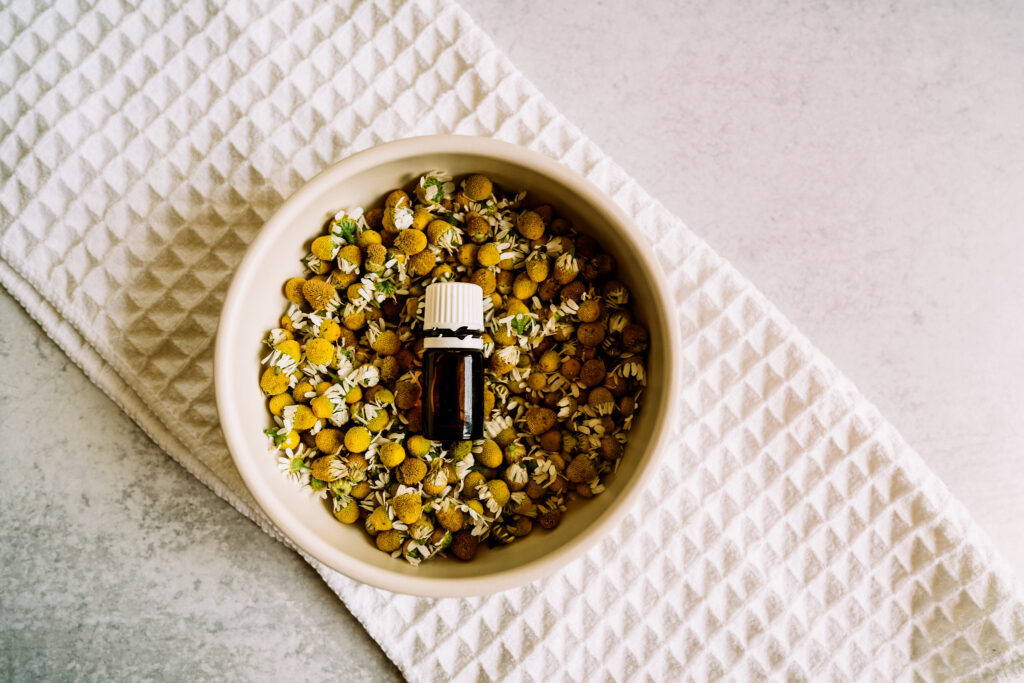
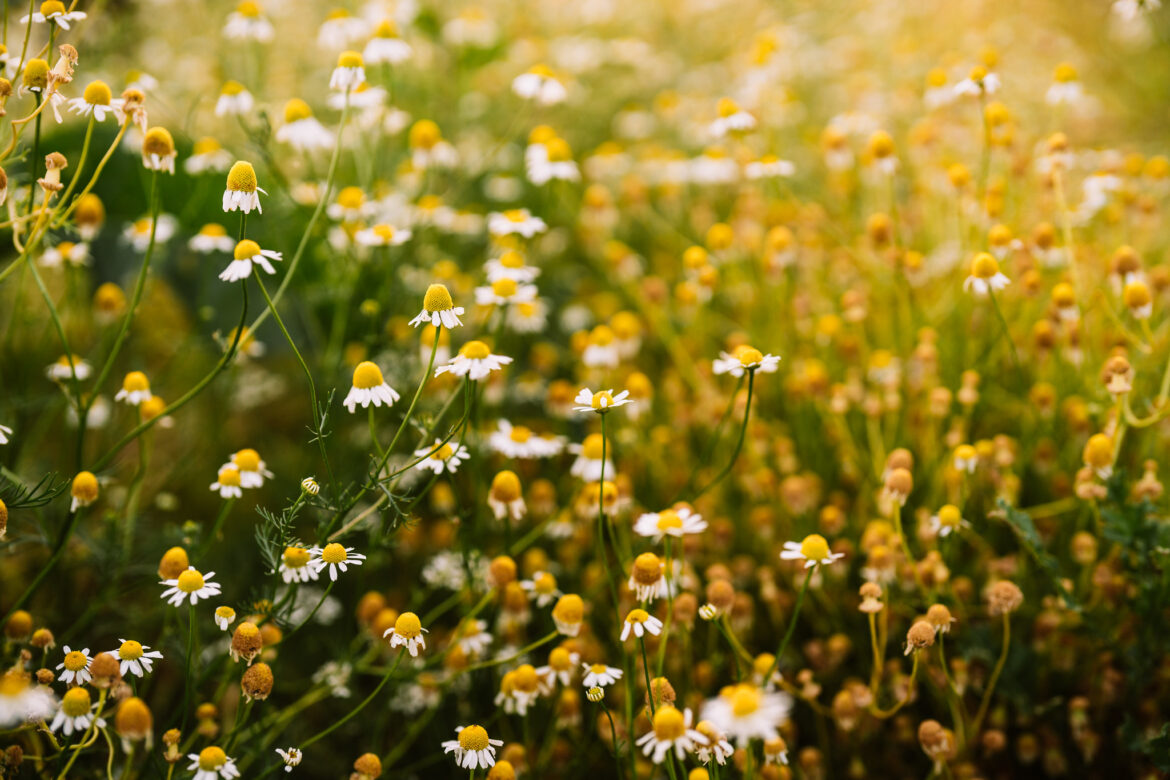
3. German Chamomile Essential Oil

German chamomile is one of my favourite oils for supporting irritated or unhappy skin.

Its deep blue colour comes from naturally occurring compounds formed during distillation. While it can be more expensive than some other oils, a little goes a long way.

I often reach for German chamomile when creating products designed to support:

  • Sensitive skin
  • Dry skin
  • Red-looking skin
  • Skin that needs extra comfort and care

Because of its strong colour, I typically use only a drop or two in a formulation.

4. Helichrysum Essential Oil

Helichrysum is one of my favourite essential oils for supporting the skin’s natural healing process.

While it is often one of the more expensive oils in an aromatherapist’s collection, it has earned a permanent place in mine because of its versatility and effectiveness. The good news is that a little goes a long way, so a bottle can last surprisingly long.

I often reach for helichrysum when creating blends designed to support:

  • Bruises
  • Bumps and scrapes
  • Dry or damaged skin
  • Stretch marks
  • Skin that needs extra care and support
  • Various skin concerns such as dermatitis, eczema, and psoriasis

Because it is such a potent oil, I typically use only a few drops at a time. For me, helichrysum is one of those oils that justifies its higher price tag through the many ways it can be used.

5. Geranium Essential Oil

Geranium is often referred to as a balancing oil for the skin.

Its floral aroma makes it a popular addition to facial products, creams, and body care formulations. It pairs particularly well with lavender, frankincense, and citrus oils.

I often use geranium in:

  • Facial oils
  • Moisturizers
  • Body oils
  • Skin balancing blends

Even though I don’t particularly enjoy diffusing geranium, I appreciate what it brings to skin care recipes.

6. Tea Tree Essential Oil

Tea tree is the oil I reach for most often when blemishes make an appearance.

It has earned a reputation as one of the most popular essential oils for problem-prone skin and is frequently included in spot treatments, cleansers, and facial products.

I use tea tree in:

  • Facial cleansers
  • Spot treatments
  • Clarifying products
  • Foot care products

Because of its strong aroma, I usually blend it with other oils rather than using it on its own.

Final Thoughts

One of the biggest lessons I’ve learned over the years is that natural skin care doesn’t have to be complicated.

While there are many wonderful essential oils available, these six are the ones I consistently reach for when creating skin care products for myself and my family.

If you’re just getting started, don’t feel like you need dozens of oils. A small collection of versatile favourites can take you surprisingly far.
Further Reading

  • Choosing a Carrier Oil
  • Botanical Skin Care: A Simple Introduction to Caring for Your Skin with Plants
  • How to Make Calendula Salve
  • Dilution Guide for Essential Oils
0 comments
0 FacebookTwitterPinterestEmail
Botanical SkincareDIYEssential OilsHerbalism

How to Make Calendula Salve (And Why It’s One of the Herbal Remedies I Recommend You Keep in Your Home)

by Daily Aromatics June 5, 2026

If I could only grow a handful of medicinal herbs, calendula would always make the list.

Of all the herbs I grow, calendula is one of the hardest-working.

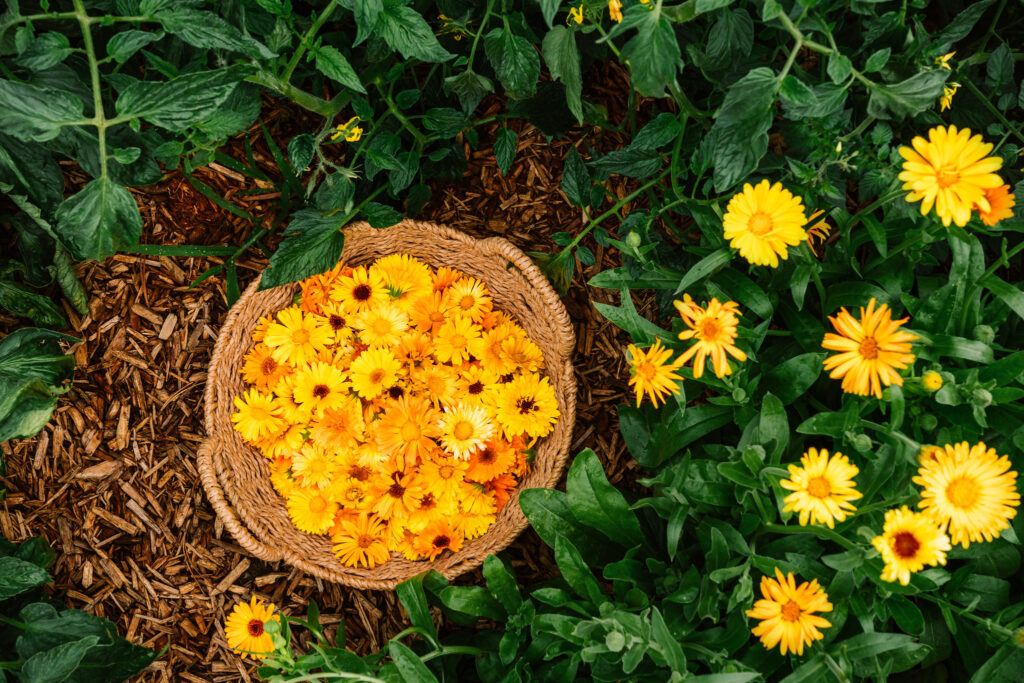
Every summer I harvest baskets of bright orange blossoms, dry them, and infuse them into oil. That oil becomes salves, balms, body care products, and skin-supportive remedies that my family reaches for all year long. Nearly every time a recipe calls for a carrier oil, I’m grabbing my calendula-infused oil for the added benefits!

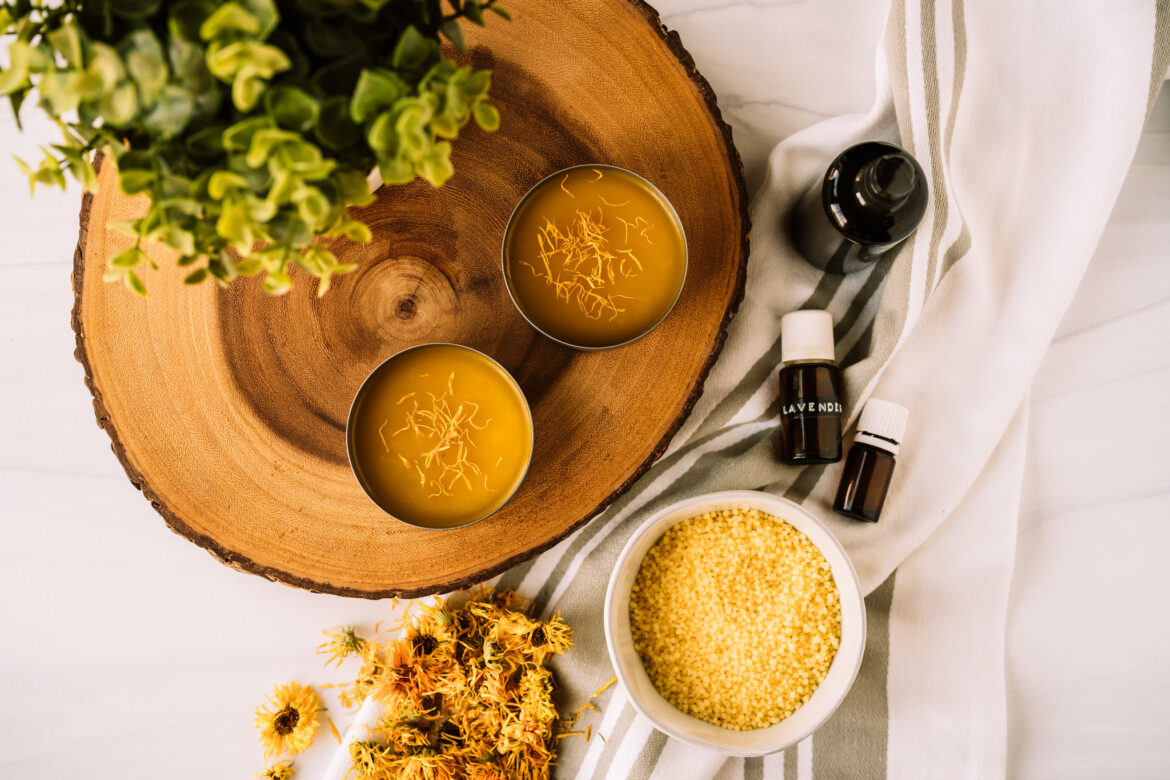
From scraped knees and scratches to dry hands, rough patches, and chapped lips, this calendula salve recipe has earned a permanent place in our home.

What I love most is how simple it is.

You don’t need dozens of herbs or complicated recipes to begin exploring herbalism. In fact, calendula salve is often one of the very first herbal preparations I encourage people to make because it’s approachable, practical, and genuinely useful. And…it smells amazing!

In this post I’ll show you exactly how I make it.

What Is Calendula?

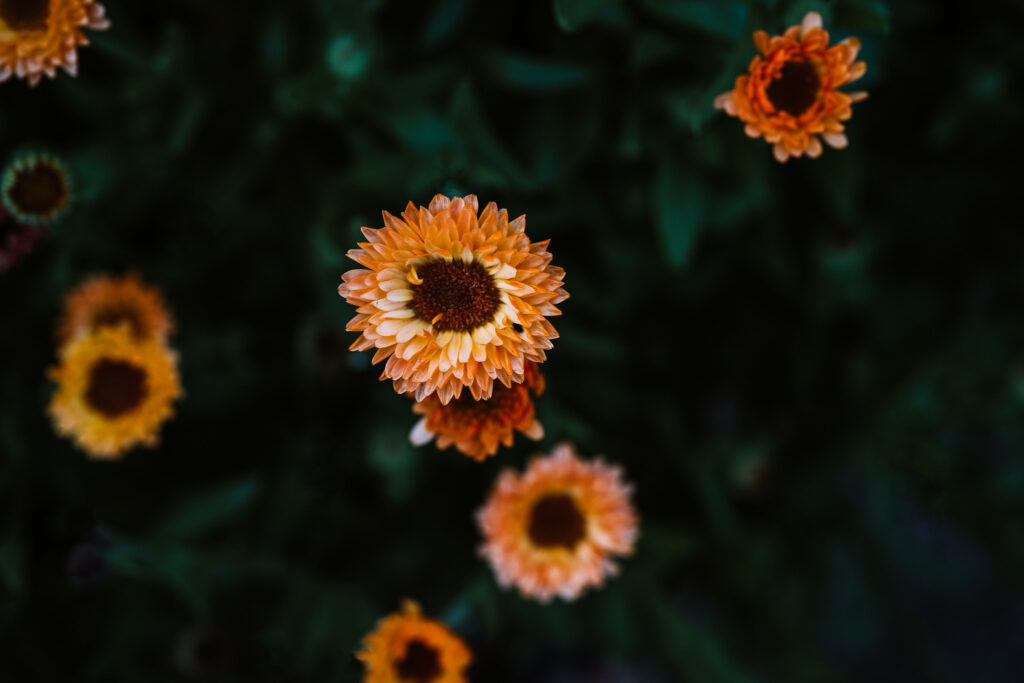
Calendula (Calendula officinalis), sometimes called pot marigold, is a cheerful annual flower known for its bright yellow and orange blooms.

For generations, herbalists have used calendula to support and soothe the skin. The petals contain plant compounds that make calendula a favourite ingredient in salves, oils, creams, and other skin care preparations.

It’s also one of the easiest medicinal herbs to grow in the garden.

I plant calendula every year and usually have more flowers than I know what to do with. The blooms are easy to harvest, dry beautifully, and can be turned into a wide variety of herbal preparations.

One of the reasons I grow so much calendula each year is that it works double duty in the garden. Not only does it provide a steady harvest of medicinal flowers, but it also supports the overall health of the garden itself.

Calendula’s bright blooms attract a wide range of beneficial insects and pollinators. These helpful insects play an important role in pollination and can help keep certain pest populations in check.

Many gardeners also plant calendula alongside vegetables such as tomatoes. While it isn’t a magic shield against pests, calendula is often used as a companion plant because it may help distract aphids and other insects away from nearby crops while attracting beneficial predators that feed on them.

In my own garden, calendula finds its way into multiple vegetable beds. It blooms for months, reseeds readily, supports pollinators, and provides baskets of flowers for herbal preparations.

For a plant that asks for so little, it gives an incredible amount in return.

Why I Love Calendula Salve

Calendula salve is one of those simple remedies that seems to get used for everything.

In our home, we commonly reach for it to support:

  • Dry hands
  • Chapped lips
  • Rough elbows and knees
  • Minor scrapes and scratches
  • Windburned skin
  • Dry patches
  • General skin nourishment

Because it contains only a few ingredients, it’s also a wonderful beginner herbal project.

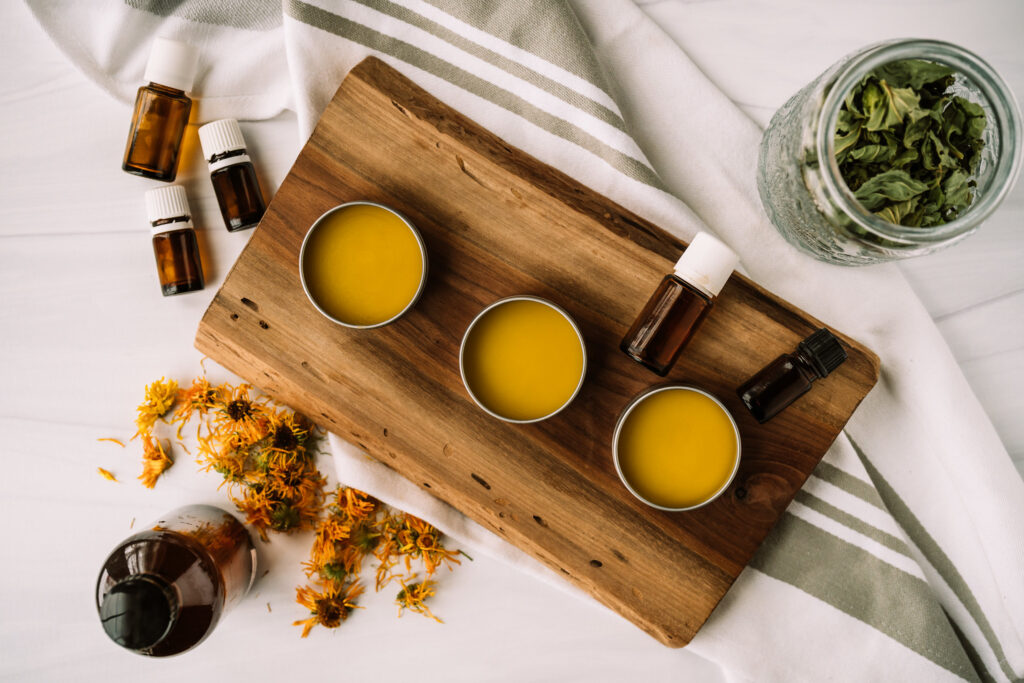
How to Make Calendula-Infused Oil

Before you can make calendula salve, you’ll need calendula-infused oil.

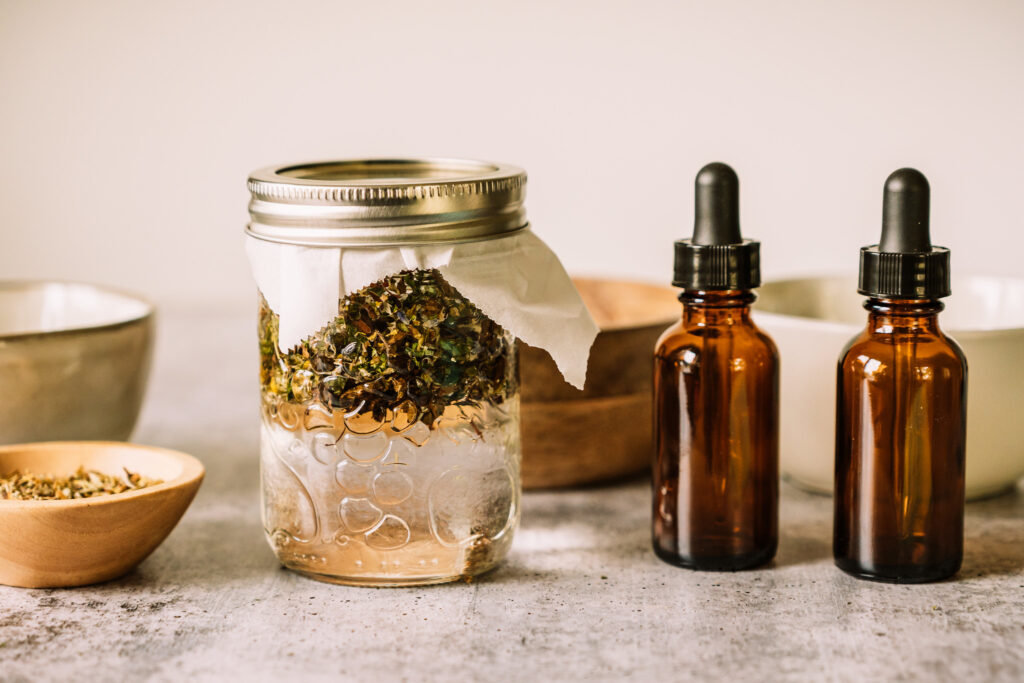
Simply fill a clean glass jar with dried calendula flowers. I usually pack it very lightly in the jar, leaving enough head-space so the oil can completely cover the dried calendula. I then pour the oil, ensuring all the flowers are submerged.

Store the jar in a warm location for 4–6 weeks, flipping occasionally.

When the infusion is complete, strain out the flowers and store the finished oil in a clean glass container.

Some good carrier oil choices include:

  • Olive oil
  • Sweet almond oil
  • Sunflower oil
  • Jojoba oil (my personal favourite)

I personally love jojoba oil because it’s very similar to the skin’s natural oils. However, in my experience everyone’s skin behaves differently, and sometimes you just have to experiment to find what works best for you.

All-Purpose Calendula Salve Recipe

Ingredients

  • 1/2 cup calendula-infused oil (see above)
  • 14–15 g beeswax pellets (about 1 tablespoon)
  • 1/2 tablespoon shea butter (optional)
  • 3–5 drops vitamin E oil (optional)
  • 3–6 drops lavender essential oil (optional)

Instructions

  1. Combine the calendula-infused oil and beeswax in a heat-safe jar or double boiler.
  2. Heat gently until completely melted.
  3. Stir in the shea butter if using.
  4. Remove from heat.
  5. Add vitamin E and lavender essential oil if desired.
  6. Pour into tins or jars and allow to cool completely before using.

Frequently Asked Questions

Can I make calendula salve without essential oils?

Absolutely.

Calendula salve works beautifully on its own. The lavender essential oil is completely optional.

How long does calendula salve last?

When made with fresh ingredients and stored away from heat and direct sunlight, calendula salve will typically last 12 months or longer.

Can I use fresh calendula flowers?

I recommend using dried calendula flowers when making infused oil. Fresh flowers contain water, which can increase the risk of spoilage.

Is calendula easy to grow?

Very.

Calendula is one of the easiest herbs I grow. It germinates readily, blooms for months, attracts pollinators, and often reseeds itself.

Final Thoughts

If you’re interested in herbalism but feel overwhelmed by all the information out there, start here.

One herb. One infused oil. One simple salve.

Calendula salve is proof that herbalism doesn’t have to be complicated to be effective. Sometimes the simplest remedies are the ones we reach for most often.

And if you have room in your garden this year, consider planting a packet of calendula seeds. You may be surprised by how often you find yourself reaching for those cheerful orange flowers!

0 comments
0 FacebookTwitterPinterestEmail
Essential OilsNatural Home

Natural Home: Creating a Cleaner, Calmer Home with Simple Plant-Based Alternatives

by Daily Aromatics May 17, 2026

Creating a healthier home was one of the first steps I took on my natural living journey.

Long before I understood much about herbs or essential oils, I began learning about the ingredients hidden in many conventional household products. Synthetic fragrances, harsh detergents, and other chemicals are common in everything from laundry soap to all-purpose cleaners and air fresheners.

As I learned more, I became increasingly aware that the products we use in our homes can affect far more than just how clean our counters look.

They may also influence:

  • Indoor air quality
  • Skin health
  • Respiratory health
  • Hormonal balance
  • Overall toxic load

That realization prompted me to make changes.

Not all at once, and certainly not perfectly.

But one step at a time.


Progress Over Perfection

I want to be very honest about something.

I do not make every cleaning product from scratch.

While I enjoy simple DIY recipes and use them often, I also purchase products that I feel good about using in our home.

Over the years, I have learned that natural living is not about doing everything perfectly.

It is about making thoughtful choices, doing what is realistic for your season of life, and reducing unnecessary exposures where you can.

Sometimes that means mixing your own all-purpose cleaner with vinegar, herbs, and essential oils.

Other times it means buying a trusted product that aligns with your values and simplifies your routine.

Both approaches are valid.


Why Household Products Matter

We use cleaning products every day.

They are sprayed into the air, applied to surfaces, washed into our clothing, and used on items our families touch constantly.

Because of this, household products can be one of the simplest and most impactful places to begin reducing toxic load.

Even small changes can make a meaningful difference over time.


What Is a Natural Home?

To me, a natural home is not about perfection.

It is about creating an environment that feels:

  • Cleaner
  • Calmer
  • Simpler
  • More intentional
  • More supportive of overall health

This often includes:

  • Choosing products with simpler ingredient lists
  • Removing synthetic fragrances
  • Making a few easy DIY products
  • Opening windows regularly
  • Using plants and essential oils thoughtfully

Simple Ways to Get Started

You do not need to replace everything overnight.

Some of the easiest and most impactful products to replace with a more natural alternative include:

  • All-purpose cleaners
  • Laundry products
  • Dish soap
  • Hand soap
  • Air fresheners/synthetic fragrance

By starting with one product at a time you can make a big differences in the toxic load of your home.

Small changes add up and compound into a healthier lifestyle that is noticeable.


Easy DIY Ideas

If you enjoy making your own products, some great beginner recipes include:

  • All-purpose cleaning spray
  • Linen spray
  • Laundry scent boosters
  • Hand scrubs
  • Natural room sprays

These recipes are often simple, affordable, and highly effective. I personally have struggled with DIY laundry soap and dishwasher soap as we have hard water on our farm. I know many people who have made these recipes and had success with them, but these are two things I choose to buy in.


Tools I Use to Check Ingredients

When purchasing products (like laundry soap!), I often look up ingredients using resources such as:

  • EWG Skin Deep
  • Think Dirty

These tools are not perfect or definitive, but they can help us make more informed decisions.

It is also important to check in with the products and brands you use from time to time. Formulations can change, and a product that once had a simple, clean ingredient list may be reformulated over the years.

Also, be wary of “greenwashing.” This refers to deceptive or misleading marketing that makes products appear more environmentally friendly, natural, or “clean” than they actually are.

Terminology like natural, green, clean, and eco-friendly may sound reassuring, but many of these terms are loosely defined and largely unregulated.

For me, this is less about striving for perfection and more about staying aware, asking questions, and making thoughtful choices as new information becomes available.

Final Thoughts

Creating a healthier home does not require perfection.

It is not about making every product yourself or eliminating every questionable ingredient overnight. It is about making thoughtful changes, one step at a time.

Over the years, I have learned that the most sustainable approach is one rooted in balance. DIY what you can. Purchase trusted products when it makes life easier. And focus on progress rather than perfection.

A cleaner, calmer, more intentional home is built through small choices made consistently over time.

0 comments
0 FacebookTwitterPinterestEmail
HerbalismNatural Home

Seasonal Support: Working with Nature Throughout the Year

by Daily Aromatics May 17, 2026

One of the most powerful shifts in my natural living journey has been learning to pay attention to the seasons.

Nature is never static.

Spring brings growth and renewal.
Summer invites expansion and activity.
Autumn encourages slowing down and gathering in.
Winter calls for rest and restoration.

As the world around us changes, our bodies often change too.

Energy levels shift.
Digestion can feel different.
Skin responds to temperature and humidity.
Mood and motivation fluctuate.

Rather than expecting our bodies to feel exactly the same all year long, we can learn to support them in ways that align with each season.

This is where herbs, nourishing foods, and essential oils can be incredibly helpful.


Why Seasonal Support Matters

Modern life often asks us to maintain the same pace year-round.

But nature operates in cycles.

When we begin paying attention to these rhythms, we can make simple adjustments that help us feel more grounded and resilient.

These adjustments do not need to be complicated.

Sometimes seasonal support looks like:

  • Drinking mineral-rich herbal teas in spring
  • Using citrus oils to refresh your home
  • Spending more time outdoors in summer
  • Nourishing dry skin in winter
  • Choosing warming herbs as the weather cools

Small shifts can have a meaningful impact over time.


Seasonal Themes

Spring: Renewal and Gentle Detoxification

Spring is a time of movement and new growth.

This season often inspires us to:

  • Open the windows
  • Refresh our routines
  • Support digestion and elimination
  • Increase energy and motivation

Favourite supports:

  • Nettles
  • Dandelion
  • Cleavers
  • Lemon
  • Grapefruit
  • Rosemary

Summer: Energy and Expansion

Summer is a season of abundance and activity.

Support may focus on:

  • Hydration
  • Cooling herbs
  • Skin care
  • Outdoor living

Favourite supports:

  • Peppermint
  • Lavender
  • Calendula
  • Lemon balm
  • Sweet Orange

Autumn: Grounding and Preparation

Autumn encourages us to slow down and prepare for colder months.

Support may focus on:

  • Immune resilience
  • Nourishment
  • Emotional grounding

Favourite supports:

  • Ginger
  • Cinnamon
  • Cedarwood
  • Frankincense
  • Elderberry

Winter: Rest and Restoration

Winter invites us inward.

Support may focus on:

  • Sleep
  • Dry skin care
  • Respiratory comfort
  • Nervous system support

Favourite supports:

  • Lavender
  • Roman Chamomile
  • Black Spruce
  • Honey
  • Oats

Simple Ways to Support Your Body Seasonally

Seasonal living does not require dramatic changes.

Start with small practices such as:

  • Drinking herbal teas
  • Diffusing essential oils
  • Eating seasonal foods
  • Spending time outdoors
  • Adjusting skin care routines
  • Prioritizing rest when needed

Final Thoughts

The seasons offer constant reminders that change is natural.

By adjusting our routines and leaning into the support that plants provide, we can feel more connected to nature and better supported throughout the year.
Simple seasonal shifts, practiced consistently, can make a profound difference.

0 comments
0 FacebookTwitterPinterestEmail
Essential OilsFeatured

My Favourite Essential Oils for Beginners

by Daily Aromatics May 17, 2026

When people first begin using essential oils, one of the most common questions I hear is:

“Which essential oils should I start with?”

With hundreds of essential oils available, it can feel overwhelming to know where to begin.

The good news is that you do not need a huge collection to get started.

A small group of versatile oils can support many aspects of daily life—from relaxation and sleep to digestion, skin care, seasonal wellness, and natural cleaning.

These are the ten essential oils I recommend most often to beginners. They are the same oils I cover in my free guide, The Essential Ten: Confidently Using 10 Essential Oils for Everyday Support.


Lemon

Bright, fresh, and uplifting, lemon is one of my favourite oils for:

  • Supporting a positive mood
  • Enhancing focus and mental clarity
  • Natural cleaning
  • Freshening the home

Lavender

Lavender is one of the most versatile essential oils available.

It is commonly used to support:

  • Relaxation and sleep
  • Skin health
  • Minor irritations
  • Emotional balance

Peppermint

Peppermint is cooling, refreshing, and invigorating.

It is often used for:

  • Digestive support
  • Mental clarity and focus
  • Muscle tension
  • Cooling comfort

Frankincense

Frankincense is grounding and deeply versatile.

I frequently use it for:

  • Skin care
  • Emotional support
  • Meditation and prayer
  • Daily wellness routines

Tea Tree

Tea Tree is a staple in both skin care and natural cleaning.

It is commonly used for:

  • Blemish-prone skin
  • Scalp care
  • Household cleaning
  • Freshening the air

Eucalyptus

Eucalyptus is a favourite for respiratory support and shower aromatherapy.

It is often used for:

  • Clear breathing
  • Steam inhalations
  • Seasonal wellness
  • Natural cleaning blends

Sweet Orange

Sweet Orange has a cheerful and comforting aroma.

It is wonderful for:

  • Uplifting mood
  • Supporting relaxation
  • Freshening rooms
  • DIY cleaning products

Ginger

Ginger is warming and supportive for:

  • Digestion
  • Nausea
  • Circulation
  • Muscle comfort

Cedarwood

Cedarwood has a grounding, woodsy aroma and is often used for:

  • Sleep
  • Emotional balance
  • Scalp care
  • Diffuser blends

Roman Chamomile

Roman Chamomile is one of my favourite oils for calming the nervous system.

It is especially helpful for:

  • Relaxation
  • Sleep
  • Emotional support
  • Sensitive skin

If You Only Start With Five Oils

If buying ten oils feels overwhelming, start with these five versatile oils:

  • Lavender
  • Lemon
  • Peppermint
  • Tea Tree
  • Frankincense

These five alone can support relaxation, mood, skin care, digestion, and natural cleaning.


Safety First

Essential oils are highly concentrated and should always be used thoughtfully.

If you are new to essential oils, these resources will help you build a strong foundation:

  • New to Essential Oils? Start Here
  • Essential Oil Dilution Chart
  • Essential Oil Safety Basics

Download My Free Beginner’s Guide

If you would like a practical, step-by-step introduction to essential oils, download my free guide:

The Essential Ten: Confidently Using 10 Essential Oils for Everyday Support

Inside, you will learn:

  • What essential oils are
  • How to use them safely
  • Dilution guidelines
  • The ten oils I recommend most often
  • Simple recipes for everyday life

Download the Free Guide


Final Thoughts

You do not need dozens of essential oils to begin benefiting from aromatherapy.

A handful of versatile oils, combined with a solid understanding of safety, can support many areas of everyday life.

Start simple, use them consistently, and let your confidence grow over time.

0 comments
0 FacebookTwitterPinterestEmail
Essential Oils

New to Essential Oils? Start Here

by Daily Aromatics May 17, 2026

New to Essential Oils

Welcome to the World of Essential Oils

When I first discovered essential oils, I was both intrigued and overwhelmed.

There seemed to be endless information about which oils to use, how to apply them, and what was safe.

Over time, I learned that essential oils do not need to be complicated.

At their core, essential oils are highly concentrated aromatic compounds extracted from plants. They capture the unique chemistry of flowers, leaves, bark, roots, and resins and can be used to support many aspects of daily life.

From creating a calming evening routine to freshening your home naturally, essential oils offer a simple way to bring the power of plants into your everyday life.

The key is to start slowly, use them safely, and focus on practical applications that fit naturally into your routine.


What Are Essential Oils?

Essential oils are concentrated extracts obtained from aromatic plants.

These extracts contain naturally occurring compounds that give plants their characteristic scent and many of their beneficial properties.

Each oil has its own unique chemistry and personality.

For example:

  • Lavender is often used for relaxation and skin support.
  • Lemon is uplifting and commonly used in cleaning.
  • Peppermint is refreshing and supportive for digestion and focus.
  • Tea Tree is widely used for skin and household applications.
  • Frankincense is valued for skin, emotional grounding, and meditation.

The Best Way to Begin

If you are new to essential oils, my best advice is this:

Keep it simple.

You do not need dozens of oils or complicated routines.

Start by learning:

  • What essential oils are
  • How to dilute them properly
  • Basic safety principles
  • A few practical ways to use them

Diffusing and topical use (properly diluted in a carrier oil) are excellent starting points for beginners.


Essential Oils Are Supportive, Not Magical

Essential oils can be wonderful tools, but they work best as part of a healthy lifestyle.

Sleep, nutrition, movement, stress management, and time in nature all play foundational roles in overall well-being.

I view essential oils as one of many ways to support the body naturally.


Start Here

If you are just getting started, these resources will help you build a strong foundation.

Essential Oil Dilution Chart

Learn how to safely dilute essential oils for everyday use.

Essential Oil Safety Basics

Important guidelines for using essential oils confidently.

Essential Oils 101: Beginner’s Guide (Free PDF)

A simple and practical guide to using essential oils safely and effectively.

My Favourite Essential Oils for Beginners

A helpful overview of versatile oils to start with.


Download the Free Beginner’s Guide

If you would like a step-by-step introduction, download my free guide:

The Essential Ten: Confidently Using 10 Essential Oils for Everyday Support

Inside, you will learn:

  • What essential oils are
  • Safe ways to use them
  • Dilution guidelines
  • Ten versatile oils for everyday life
  • Simple recipes to get started

Download the guide here.


Final Thoughts

You do not need to know everything to begin.

Choose one or two oils, learn how to use them safely, and build your confidence over time.

Essential oils are one of the simplest ways to bring the wisdom of plants into your home and daily routines.

And like most things in natural living, the most effective approach is often the simplest.

0 comments
0 FacebookTwitterPinterestEmail
Botanical SkincareEssential OilsHerbalism

Botanical Skin Care: A Simple Introduction to Caring for Your Skin with Plants

by Daily Aromatics April 14, 2026

Growing up, I was never the girl who wore makeup.

Part of that was simply my personality. I was more comfortable outdoors than in front of a mirror, and I was much more of a tomboy than a fashion enthusiast.

But even at a young age, I noticed something that stayed with me.

Many of the girls around me seemed to rely heavily on makeup to cover blemishes and acne. Whether the products they were using were actually contributing to their skin concerns or not, I remember wondering if putting more synthetic ingredients on the skin was really helping.

That observation planted a seed.

I decided early on that I wanted to be thoughtful about what I put on my skin.

More than thirty years later, I still do not wear makeup, and I remain deeply aware of the ingredients in the products my family uses every day.

What I have discovered over the years is that nature offers an incredible array of ingredients that can gently support healthy skin.

Herbs, flowers, clays, plant oils, and essential oils have been used for generations to cleanse, soothe, and nourish the skin.

Botanical skin care is not about chasing perfection.

It is about working with nature to care for the skin you are in.


What Is Botanical Skin Care?

Botanical skin care refers to using ingredients derived from plants to support healthy skin.

These ingredients may include:

  • Herbal infused oils
  • Plant butters
  • Carrier oils
  • Floral waters (hydrosols)
  • Clays
  • Oats
  • Honey
  • Essential oils
  • Dried herbs and flowers

Rather than relying solely on synthetic ingredients, botanical skin care uses the natural properties of plants to cleanse, moisturize, soothe, and protect the skin.


Why What You Put on Your Skin Matters

Your skin is your body’s largest organ.

It serves as a protective barrier, but it also comes into daily contact with the products we apply to it.

This does not mean every ingredient is harmful, nor does it mean you need to throw everything away overnight.

But becoming more aware of what you use can help you make informed choices and reduce unnecessary exposure to synthetic fragrances, preservatives, and other ingredients that may irritate sensitive skin.

Botanical skin care offers a simpler and more intentional approach.


Benefits of Botanical Skin Care

Plants contain naturally occurring compounds that can support the skin in many ways.

Depending on the ingredient, botanicals may help to:

  • Soothe irritation
  • Support the skin barrier
  • Lock in moisture
  • Calm redness
  • Gently cleanse
  • Provide antioxidants
  • Promote a healthy-looking complexion

Perhaps most importantly, botanical skin care encourages us to slow down and reconnect with the natural world.


Simple Ingredients to Start With

If you are new to botanical skin care, you do not need dozens of ingredients.

A few versatile staples can go a long way.

Calendula

Often called one of the best herbs for skin care, calendula is traditionally used to soothe dry, irritated, or sensitive skin.

Chamomile

Known for its calming properties, chamomile is excellent for delicate or reactive skin.

Oats

Finely ground oats help cleanse gently and soothe itchy or dry skin.

Honey

A natural humectant that helps draw moisture to the skin.

Jojoba Oil

A lightweight oil that closely resembles the skin’s natural sebum.

Kaolin Clay

A mild clay that helps cleanse without over-drying.


Essential Oils for Botanical Skin Care

Essential oils can also play a beautiful supportive role in botanical skin care when used properly and in appropriate dilutions.

Because essential oils are highly concentrated plant extracts, a little goes a very long way. They are typically blended into carrier oils, creams, balms, and other preparations rather than applied directly to the skin.

Some beginner-friendly essential oils often used in skin care include:

Lavender (Lavandula angustifolia)

A gentle and versatile oil commonly used to support dry, sensitive, or irritated skin.

Frankincense (Boswellia carterii)

Often incorporated into facial oils and creams to support healthy-looking, mature skin.

Tea Tree (Melaleuca alternifolia)

Traditionally used in skin care for blemish-prone or congested skin.

German Chamomile (Matricaria chamomilla)

Known for its calming properties and often used in preparations for delicate or reactive skin.

Helichrysum (Helichrysum italicum)

A treasured oil in botanical skin care that is often included in facial serums, balms, and restorative skin preparations.

Other beautiful additions may include Geranium, Rose, Sandalwood, and Neroli.

As with any skin care ingredient, essential oils should be used thoughtfully and in proper dilution. (See more on dilution here and more on general essential oil safety here)


Easy Ways to Begin

You do not need a complicated routine.

Start with one or two simple preparations:

  • Herbal infused oils
  • Calendula salves
  • Cleansing grains
  • Honey masks
  • Herbal facial steams

These preparations are easy to make and help you experience the benefits of plants firsthand.


Final Thoughts

One of the most beautiful things about botanical skin care is its simplicity.

You do not need an elaborate routine or a shelf full of expensive products.

Some of the most effective skin care ingredients are flowers, herbs, oils, and clays that have been used for generations.

Start with one plant.

Learn how it feels, smells, and supports your skin.

Over time, you may discover that nature has been offering exactly what you need all along.

0 comments
0 FacebookTwitterPinterestEmail
GardeningHerbalism

Growing Your Own Herbal Garden: The Best Herbs for Beginners

by Daily Aromatics April 14, 2026

If I’m being honest, one of the things that helped me feel more comfortable with herbalism was growing herbs in my own garden. In many cases, I was growing herbs long before I fully understood how to use them.

I would read about plants that might offer gentle support for our family, then plant a few of them in our garden boxes just to see how they grew. Over time, I began to develop a much deeper connection with the herbs themselves.

I watched them grow to produce their first flowers. I noticed how they responded to drought, heavy rain, summer heat, and cool autumn mornings. I rubbed their leaves between my fingers, inhaled their aroma, and harvested small handfuls to use in our kitchen and around our home.

Those observations became some of my greatest teachers.

There is something incredibly grounding about getting to know a plant this way. You begin to recognize its scent, its texture, its growth habits, and its seasonality. Even clipping a few sprigs of thyme for supper or brewing fresh lemon balm tea becomes a simple way to connect with the plants growing around you.

If you have room for even one or two herbs, I highly recommend growing them yourself.

And if you do not have a large garden, that is perfectly fine. Many medicinal herbs thrive in containers, raised beds, and patio planters.

Growing herbs is one of the simplest and most rewarding ways to begin learning herbalism. It allows you to slow down, observe, and build confidence one plant at a time. Let’s dive in!


Why Grow Your Own Herbs?

Growing your own herbs offers several advantages:

  • You know exactly how they were grown.
  • You can harvest them at peak freshness.
  • You develop a deeper connection to the plants you use.
  • Many medicinal herbs are surprisingly easy to grow.
  • It can save money over time.

Even if you only have a small garden or a few containers on your patio, you can grow an impressive herbal apothecary.


The Best Herbs for Beginners to Grow

These herbs are easy to cultivate and incredibly versatile.

Calendula

One of the most useful herbs for skin care.

Uses:

  • Infused oils
  • Salves
  • Balms
  • Bath products
  • Skin-soothing creams

Supports:
Cuts, scrapes, dry skin, and irritated skin.


German Chamomile

A gentle herb for both skin and relaxation.

Uses:

  • Teas
  • Infused oils
  • Bath products
  • Facial care

Supports:
Relaxation, digestion, and sensitive skin.


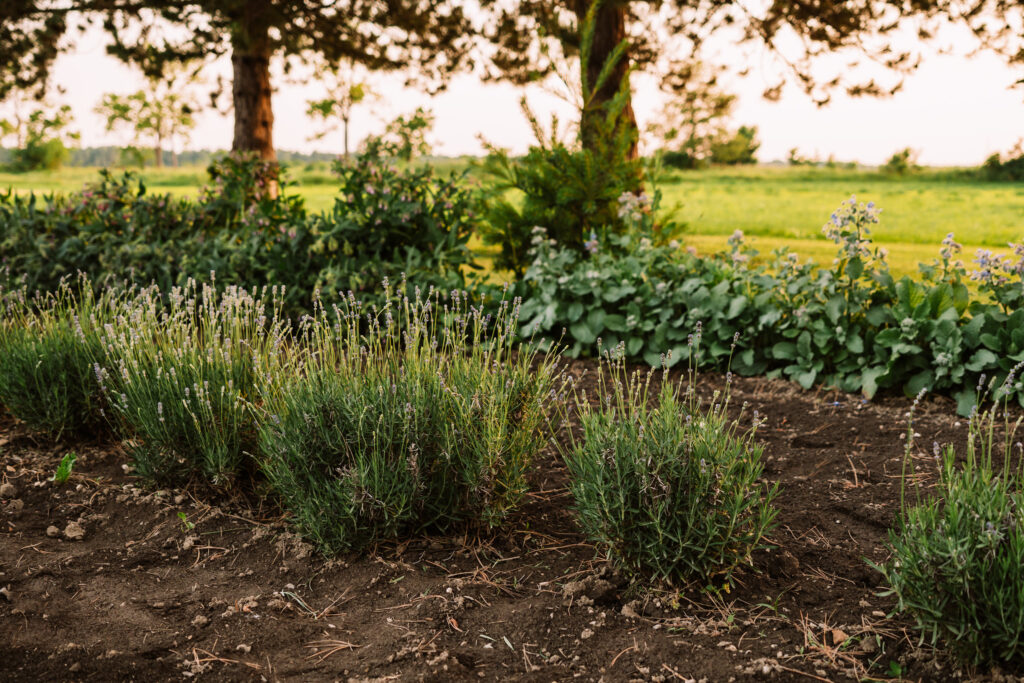
Lavender

A classic herb for calming and skin support.

Uses:

  • Teas
  • Infused oils
  • Bath products
  • Sleep blends

Supports:
Stress, sleep, and skin health.


Lemon Balm

Easy to grow and wonderfully uplifting.

Uses:

  • Teas
  • Tinctures
  • Glycerites
  • Herbal honeys

Supports:
Stress, mood, and digestion.


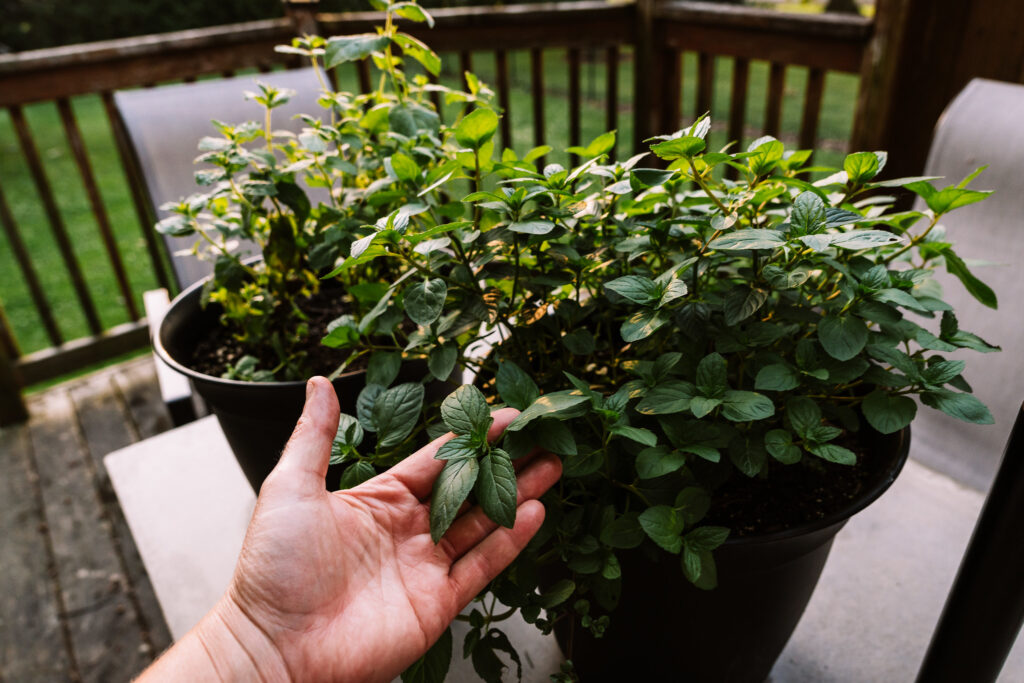
Peppermint

One of the easiest and most versatile herbs to grow.

Uses:

  • Teas
  • Digestive blends
  • Steam inhalations
  • Cooling balms

Supports:
Digestion, headaches, and respiratory comfort.


Catnip

Not just for cats — though my cats love it which makes it a bit trickier for me to grow. If you have cats, you’ll have to find a way to keep them away from your catnip plants. They tend to rub up against them and crush them!

Uses:

  • Teas
  • Tinctures
  • Children’s herbal preparations

Supports:
Relaxation and digestive comfort.


Thyme

A powerful culinary and medicinal herb.

Uses:

  • Teas
  • Steam inhalations
  • Herbal syrups and honeys

Supports:
Respiratory health and immune support.


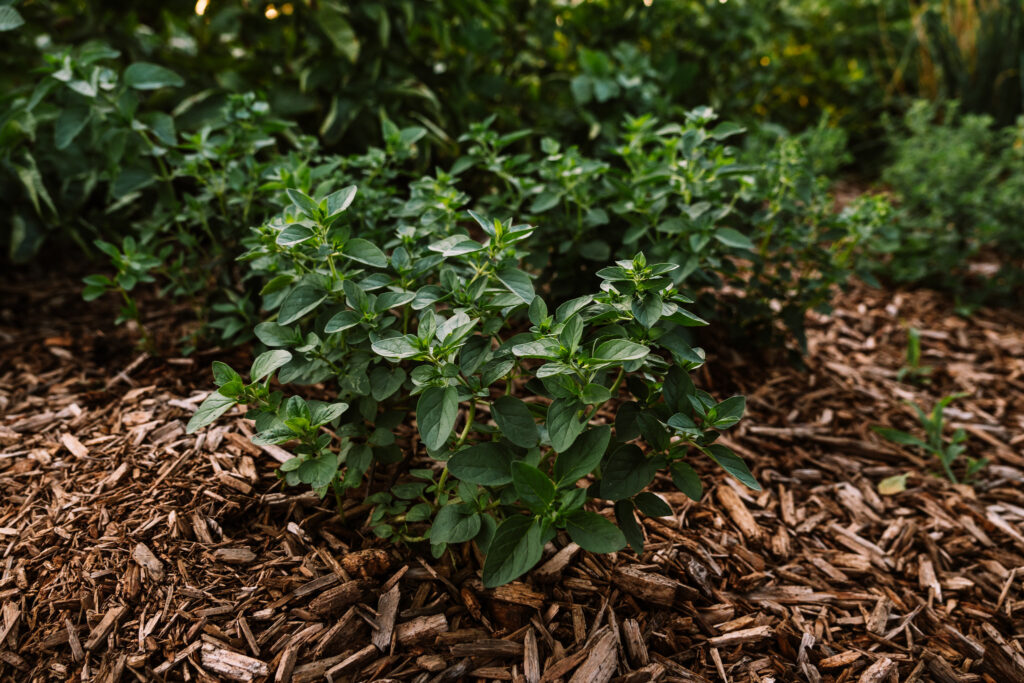
Oregano

A hardy herb with strong aromatic properties.

Uses:

  • Culinary preparations
  • Infusions
  • Steam blends

Supports:
Respiratory and immune support.


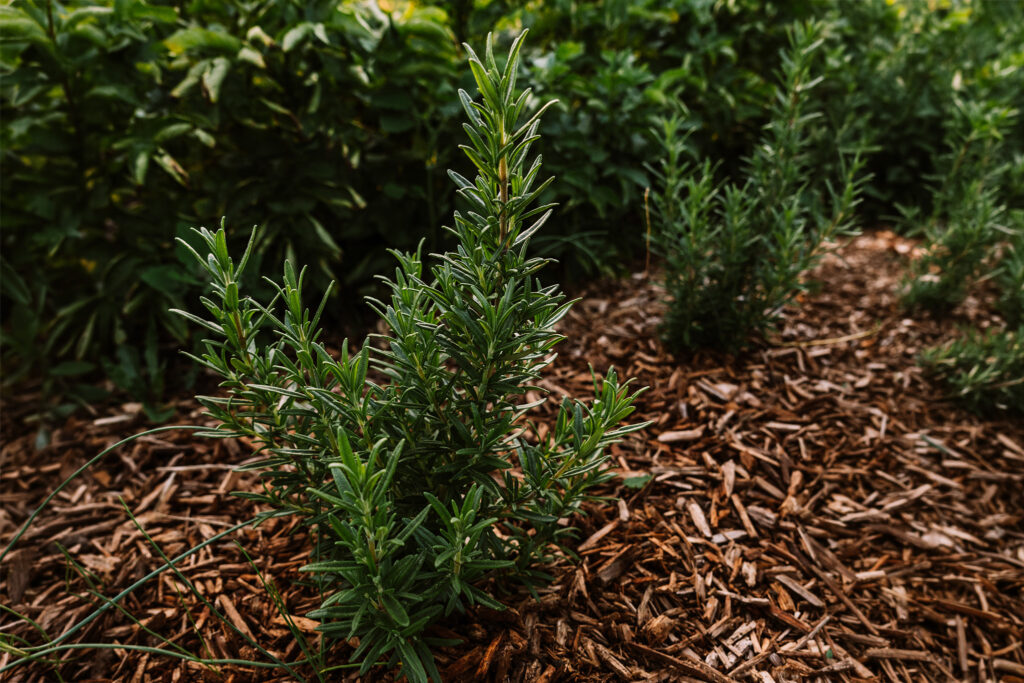
Rosemary

A stimulating herb for both mind and body.

Uses:

  • Hair rinses
  • Infused oils
  • Teas

Supports:
Circulation, focus, and scalp health.


Nettle

A deeply nourishing herb rich in minerals.

Uses:

  • Nutritive teas
  • Hair rinses
  • Mineral infusions

Supports:
Overall nourishment and seasonal wellness.


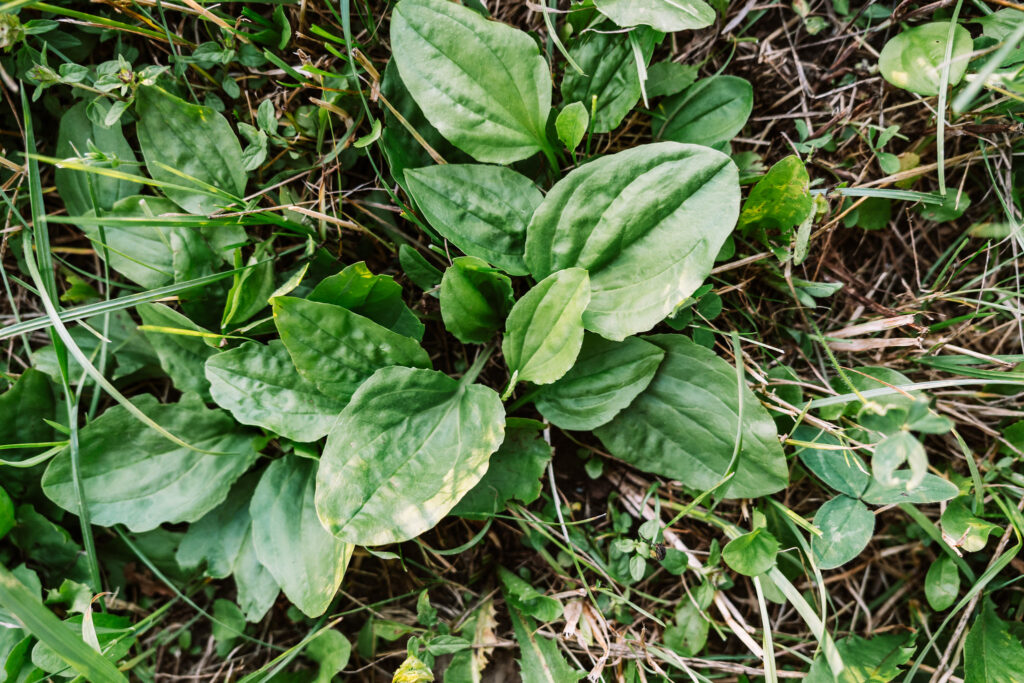
Plantain

Often considered a weed, but one of the most useful skin herbs.

Uses:

  • Infused oils
  • Salves
  • Poultices

Supports:
Bites, stings, and skin irritation.


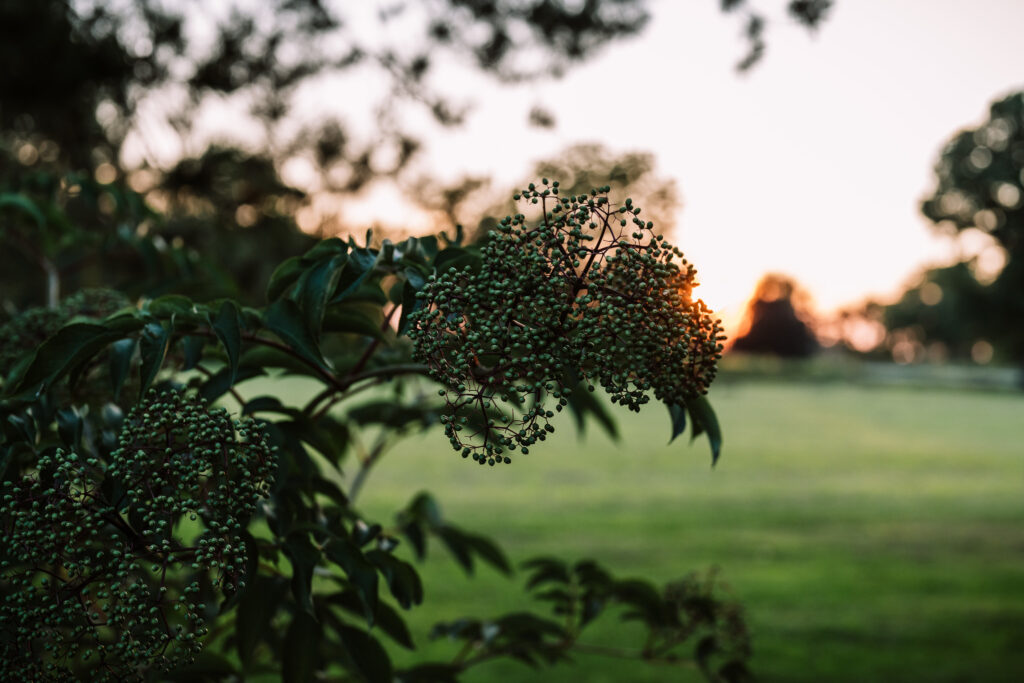
Elder

A valuable shrub that offers both flowers and berries.

Uses:

  • Teas
  • Syrups
  • Glycerites
  • Tinctures

Supports:
Seasonal immune wellness.


My Top 10 Beginner Herbs

If I were starting from scratch, these are the ten herbs I would prioritize:

  1. Calendula
  2. Chamomile
  3. Lavender
  4. Lemon Balm
  5. Peppermint
  6. Nettle
  7. Plantain
  8. Thyme
  9. Rosemary
  10. Elder

With these ten herbs, you can make:

  • Herbal teas
  • Infused oils
  • Salves and balms
  • Tinctures
  • Glycerites
  • Herbal honeys
  • Bath products
  • Natural skin care

The Best Herbs for Different Types of Herbal Preparations

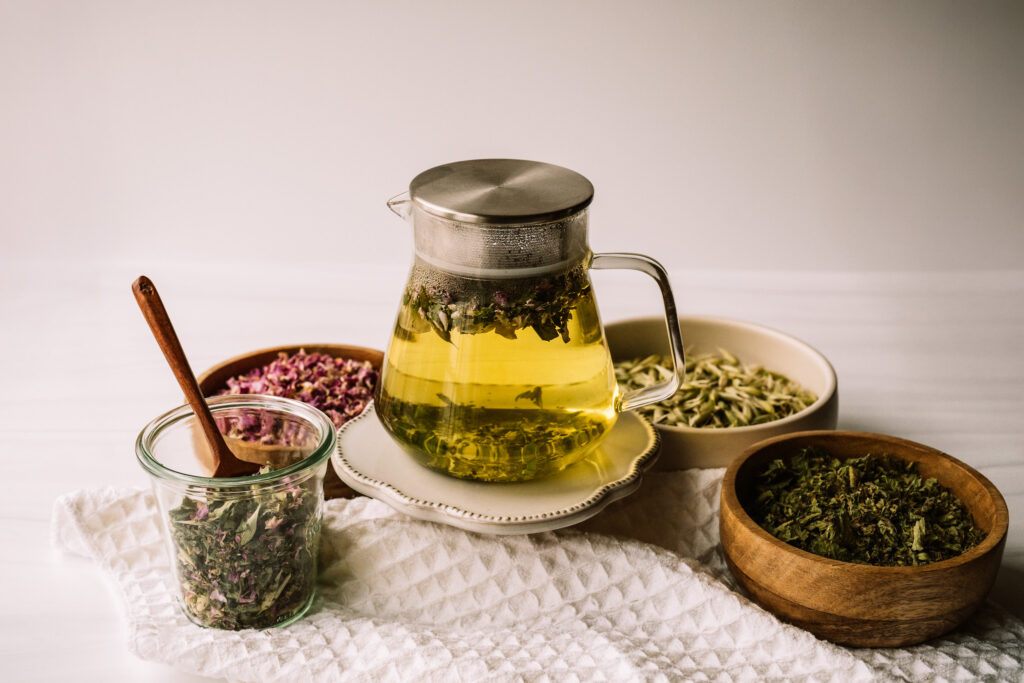
Teas

  • Lemon Balm
  • Chamomile
  • Peppermint
  • Nettle
  • Catnip

Infused Oils and Salves

  • Calendula
  • Plantain
  • Lavender
  • Chamomile

Respiratory Support

  • Thyme
  • Oregano
  • Rosemary

Skin Care

  • Calendula
  • Lavender
  • Chamomile
  • Plantain

Tinctures and Glycerites

  • Lemon Balm
  • Catnip
  • Elderberries

Growing Herbs in Small Spaces

You do not need a large garden to get started.

Many herbs thrive in:

  • Raised beds
  • Patio containers
  • Window boxes
  • Small backyard gardens

Lemon balm, peppermint, thyme, oregano, and calendula all grow beautifully in containers.


Start Simple

One of the biggest misconceptions about herbalism is that you need dozens of herbs and complicated recipes.

You don’t.

Start with one or two plants.

Make a tea.

Infuse an oil.

Create a simple salve.

The most effective herbal routines are often the simplest ones.


Everything We Need Has Always Been Here

There is something profoundly grounding about growing the very plants that can nourish and support your family.

The garden becomes more than a source of food and beauty. It becomes part of your home apothecary.

You do not need to know every herb to begin.

Just start with one plant, learn how to use it, and let your herbal garden grow from there.

0 comments
0 FacebookTwitterPinterestEmail
Botanical SkincareEssential Oils

Choosing a Carrier Oil

by Daily Aromatics April 14, 2026

Introduction

When people first begin using essential oils, they often focus entirely on the essential oils themselves.

But carrier oils are just as important.

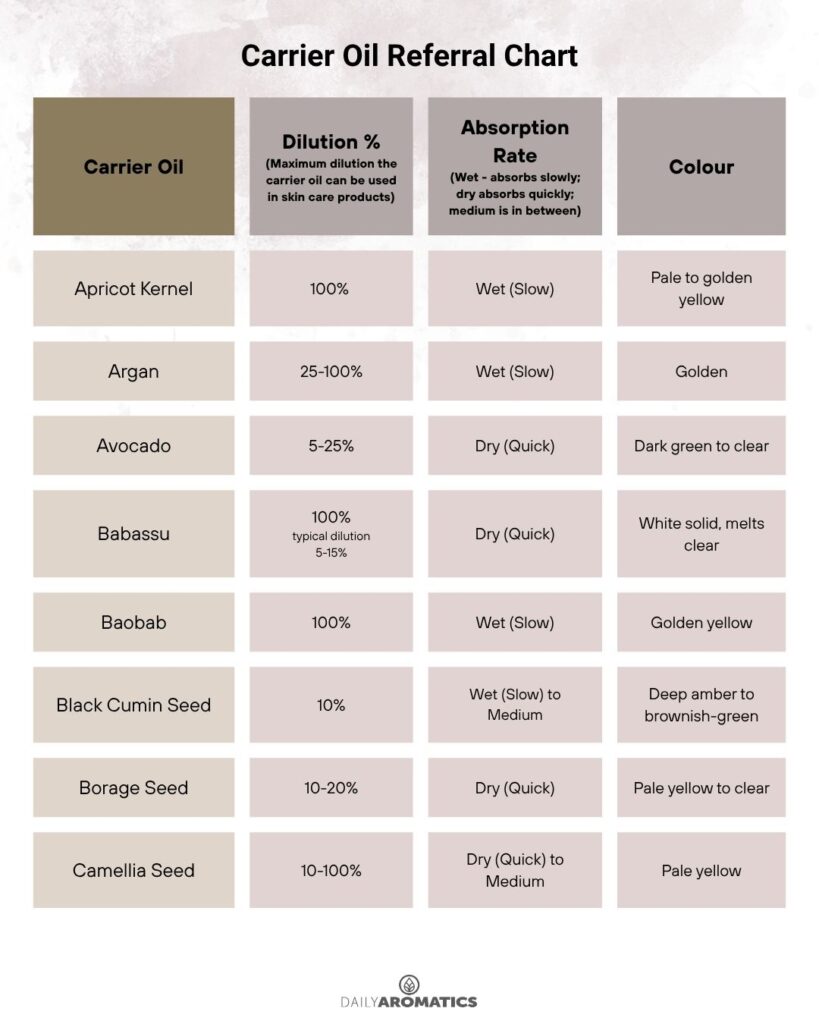
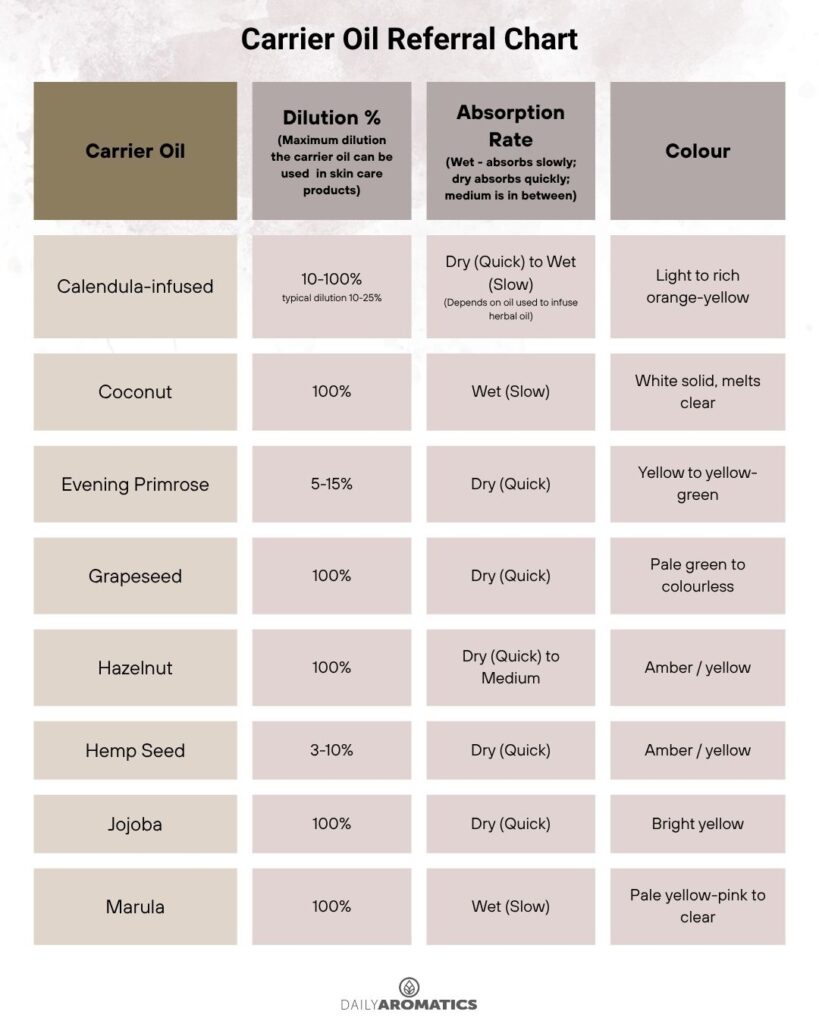
Carrier oils help dilute essential oils for safe topical use, improve skin feel, slow evaporation, and bring their own nourishing properties to the skin.

And the beautiful thing is that carrier oils are not one-size-fits-all.

Some are lightweight and balancing.
Others are deeply moisturizing and protective.
Some absorb quickly, while others create a richer barrier on the skin.

Learning how to choose a carrier oil can completely change (and elevate!) how your DIY recipes and skin care preparations feel and perform.


What Is a Carrier Oil?

Carrier oils are plant oils that are used to dilute essential oils before they are applied to the skin.

Unlike essential oils, carrier oils are not highly concentrated aromatic extracts. They are typically pressed from nuts, seeds, or kernels and contain fatty acids, vitamins, and other skin-supportive compounds.

Carrier oils help “carry” essential oils onto the skin safely while also offering their own therapeutic and cosmetic benefits.

Some of the most commonly used carrier oils include:

  • Jojoba oil
  • Sweet almond oil
  • Fractionated coconut oil
  • Olive oil
  • Rosehip oil
  • Avocado oil
  • Argan oil

Why Choosing the Right Carrier Oil Matters

Not every carrier oil feels the same on the skin.

Some oils absorb almost instantly and leave very little residue, while others create a richer, more protective barrier.
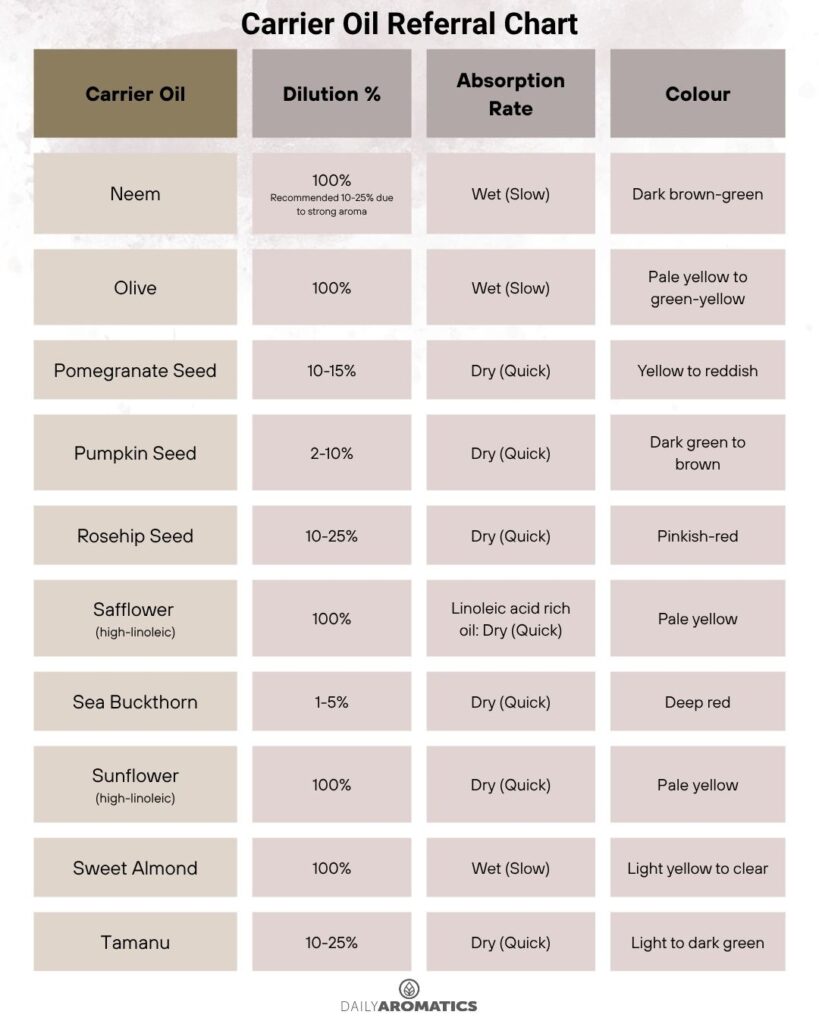
Your skin type, the purpose of your preparation, and even the time of year can influence which carrier oil works best for you.
For example:

  • A lightweight facial serum may benefit from jojoba or grapeseed oil
  • A deeply nourishing body butter may use avocado or olive oil
  • A massage blend may benefit from slower-absorbing oils
  • Dry winter skin often responds well to richer oils

Choosing a carrier oil intentionally helps create preparations that feel better and work better.


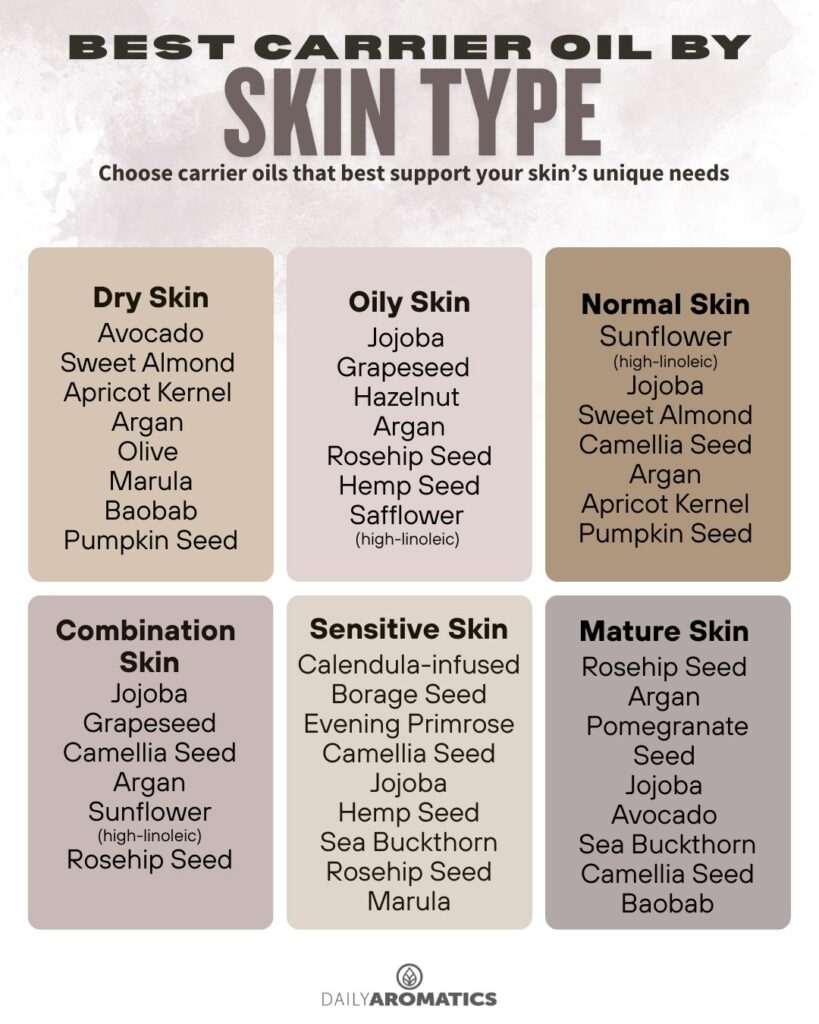
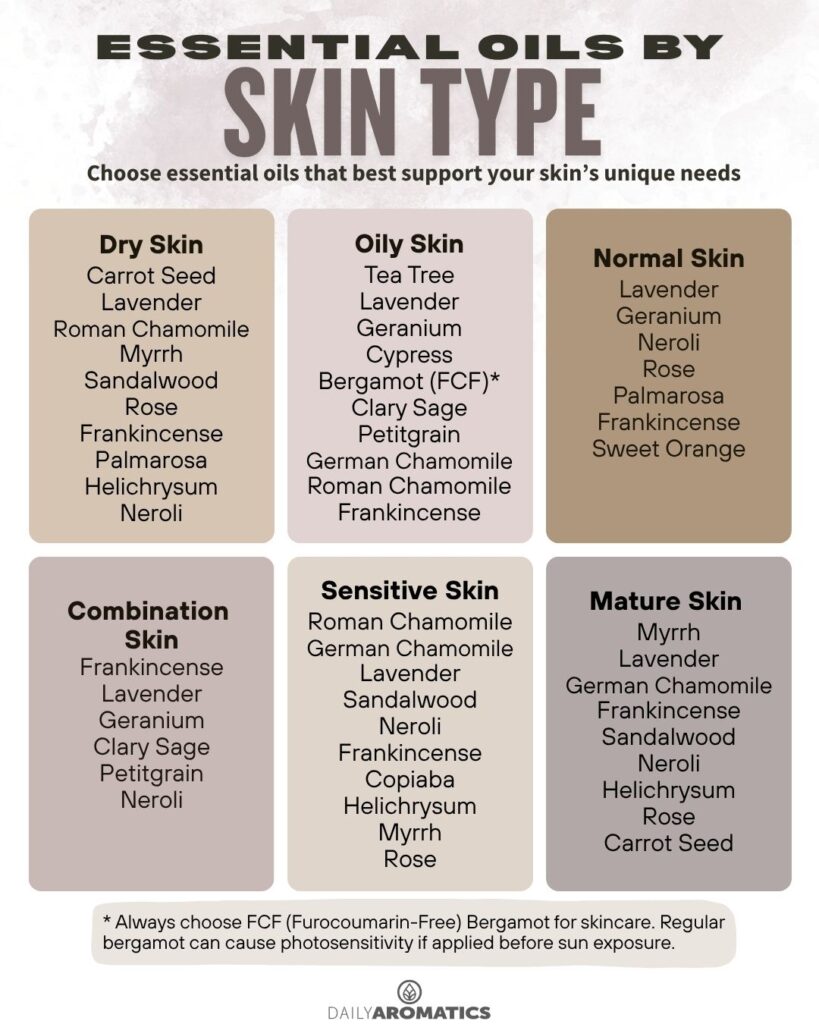
Choosing Carrier Oils by Skin Type

One of the easiest ways to begin choosing carrier oils is by considering your skin type.

Some oils are better suited for oily or blemish-prone skin, while others are more supportive for dry, mature, or sensitive skin.

This does not mean there is only one “correct” oil for each skin type. Skin care is highly individual, and experimentation is part of the process.

Start simple and notice how your skin responds.


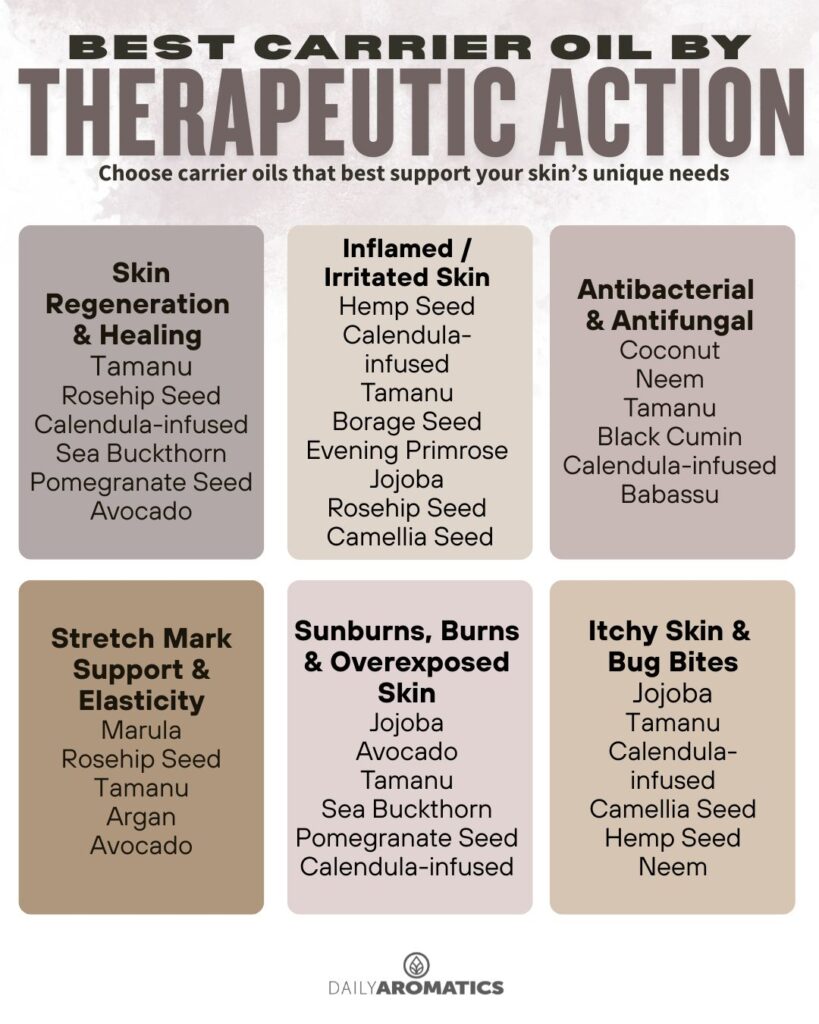
Carrier Oils Offer More Than Dilution

Carrier oils do much more than simply dilute essential oils.

Many contain naturally occurring compounds that help support the skin barrier, soften the skin, lock in moisture, or provide antioxidant support.

Some are calming and soothing.
Others feel rich and restorative.
Some are prized in facial care, while others are excellent for massage oils, salves, and body products.

Over time, you may find yourself reaching for different oils for different purposes.


Understanding Skin Feel and Absorption Speed

One of the biggest differences between carrier oils is how they feel on the skin.

Some oils absorb quickly and feel dry or silky.
Others remain on the skin longer and create a heavier or more protective feel.

Neither is necessarily better.

A lightweight oil may feel beautiful in a facial serum, while a richer oil may be ideal for dry hands, body butters, or winter skin care.

Understanding absorption speed can help you build preparations that feel more enjoyable and balanced.


Pairing Essential Oils with Carrier Oils

Carrier oils and essential oils work beautifully together.

A thoughtfully chosen carrier oil can complement the properties and skin feel of the essential oils you add to it.

For example:

  • Lavender pairs beautifully with jojoba or sweet almond oil
  • Tea tree is often blended into lighter oils for blemish-prone skin
  • Frankincense and rosehip are commonly paired in facial serums
  • Chamomile works beautifully in soothing preparations for delicate skin

Simple combinations are often the most effective.


Final Thoughts

Choosing a carrier oil does not need to feel complicated.

Start with one or two versatile oils and spend time getting familiar with how they feel, absorb, and support your skin.

Over time, you will naturally begin to understand which oils you prefer for facial care, body care, salves, massage blends, and everyday preparations.

Like so much of botanical skin care, the process is less about perfection and more about learning to work with plants in a thoughtful and intentional way.

0 comments
0 FacebookTwitterPinterestEmail
Herbalism

Everyday Herbalism: Bringing Herbs Back Into Daily Life

by Daily Aromatics April 14, 2026

Herbalism doesn’t have to be complicated to be meaningful.

In fact, for most of history, it wasn’t.

It lived in the quiet, everyday moments—
in the herbs added to meals, the teas steeped at the end of the day, and the plants growing just outside the door.

And in many ways, that’s where herbalism is still meant to live.


We Are Part of Nature

We often think of herbalism as something we need to learn about—something separate from us. But at its core, herbalism is rooted in connection.

We are not separate from nature.

Our bodies recognize plants. They respond to them. They’ve adapted alongside them for generations.

For thousands of years, people lived closely with the land—using what grew around them to support digestion, calm the nervous system, ease discomfort, and nourish the body.

It’s only been in more recent history that we’ve become disconnected from these rhythms—looking outside of nature for support, instead of first looking within it.

Everyday herbalism is, in many ways, a return to that connection.


What Is Everyday Herbalism?

Everyday herbalism is about bringing plants back into your daily life in simple, practical ways.

Not as a separate routine you have to learn or perfect—but as something woven into what you’re already doing. It’s not about doing everything. It’s about doing a few things, consistently.

It’s choosing to support your body with herbs in ways that feel natural, approachable, and sustainable.


What This Can Look Like in Real Life

Herbalism doesn’t need to be elaborate to be effective.

Often, it looks like small moments throughout your day:

  • A cup of peppermint or ginger tea after a meal
  • Lemon balm in the evening as you wind down
  • Herbs infused into honey, sitting on your counter ready to use
  • Adding fresh herbs like rosemary, thyme, or basil to your cooking with intention
  • Growing a handful of herbs and learning how to use them well

These aren’t complicated practices. They’re simple habits—ones that gently support the body over time.


The Power of Simple, Consistent Use

There can be a tendency to feel like simple isn’t enough. But when it comes to supporting your body, consistency matters more than complexity.

A single cup of tea might feel small. But a daily cup of tea, over weeks and months, becomes something much more supportive. Herbalism doesn’t have to be elaborate to be effective. It just needs to be lived.


Herbalism as a Way of Life

When herbalism becomes part of your everyday life, it stops feeling like something you have to learn…

and starts becoming something you simply do.

It flows alongside:

  • the meals you prepare
  • the routines you keep
  • the seasons you move through

It becomes part of how you care for yourself and your family—naturally, gently, and over time.


A Simple Way to Begin

If you’re new to herbalism, you don’t need to start with everything. Start small. Choose a few herbs that feel approachable—ones you recognize, or maybe already have in your kitchen or garden.

Use them regularly:

  • as teas
  • in your meals
  • infused into honey or oil

Pay attention to how they feel in your body. Let your knowledge grow from experience, not overwhelm.

How to Start Practicing Everyday Herbalism

If this way of living feels appealing, you don’t need to overhaul everything to begin. Start small, and let it build naturally over time. Here’s a simple way to begin:

1. Choose a few familiar herbs
Start with 3–5 herbs you recognize or already have on hand—like peppermint, ginger, chamomile, or rosemary.

2. Use them in simple ways
Focus on methods that easily fit into your day:

  • herbal teas
  • adding herbs to meals
  • simple infusions like honey or oil

3. Be consistent
You don’t need to do everything—just use what you have regularly.
A daily cup of tea or a simple habit is more impactful than occasional, complicated efforts.

4. Pay attention
Notice how your body responds. Herbalism becomes more intuitive the more you use it.


A Return to What We’ve Always Known

Herbalism isn’t out of reach. It’s in the cup of tea you make, the herbs you grow, and the small choices you return to each day. And in many ways, it’s not something new to learn—it’s something old to remember.

0 comments
0 FacebookTwitterPinterestEmail
  • 1
  • 2

About Me

About Me

About the Author

Hi, I’m Amy — a certified aromatherapist, herbal enthusiast, wife, mother, and dairy farmer passionate about simple, plant-based living. Here I share essential oil education, herbal recipes, botanical skincare, and practical ways to support a healthier, more natural lifestyle through the power of plants.


Newsletter

Natural living inspiration, herbal recipes, and essential oil education — straight to your inbox.

Thank you!

You have successfully joined our subscriber list.

Instagram

Recent Posts

  • The Essential Oils I Reach for Most for Skin Care

  • How to Make Calendula Salve (And Why It’s One of the Herbal Remedies I Recommend You Keep in Your Home)

  • Natural Home: Creating a Cleaner, Calmer Home with Simple Plant-Based Alternatives

  • Seasonal Support: Working with Nature Throughout the Year

  • My Favourite Essential Oils for Beginners

Categories

  • Botanical Skincare (4)
  • DIY (2)
  • Essential Oils (10)
  • Featured (3)
  • Gardening (1)
  • Herbalism (5)
  • Natural Home (3)

Quick Links

About
Blog
Contact
Privacy Policy
Disclaimer
Instagram Facebook

Stay Connected

Natural living inspiration, herbal recipes, and essential oil education — straight to your inbox.

Thank you!

You have successfully joined our subscriber list.

Featured Posts

My Favourite Essential Oils for Beginners
Dilution Guide for Essential Oils
Essential Oil Safety

© 2026 Daily Aromatics. All Rights Reserved.

  • Home
  • About
  • Contact
  • Blog
  • Privacy Policy
  • Disclaimer
Welcome
  • Home
  • Blog
  • Shop
  • About
  • Contact

Shopping Cart

Close

No products in the cart.

Close