Welcome
  • Home
  • Blog
  • Shop
  • About
  • Contact
  • 0
Category:

Botanical Skincare

Botanical SkincareEssential Oils

The Essential Oils I Reach for Most for Skin Care

by Daily Aromatics June 25, 2026

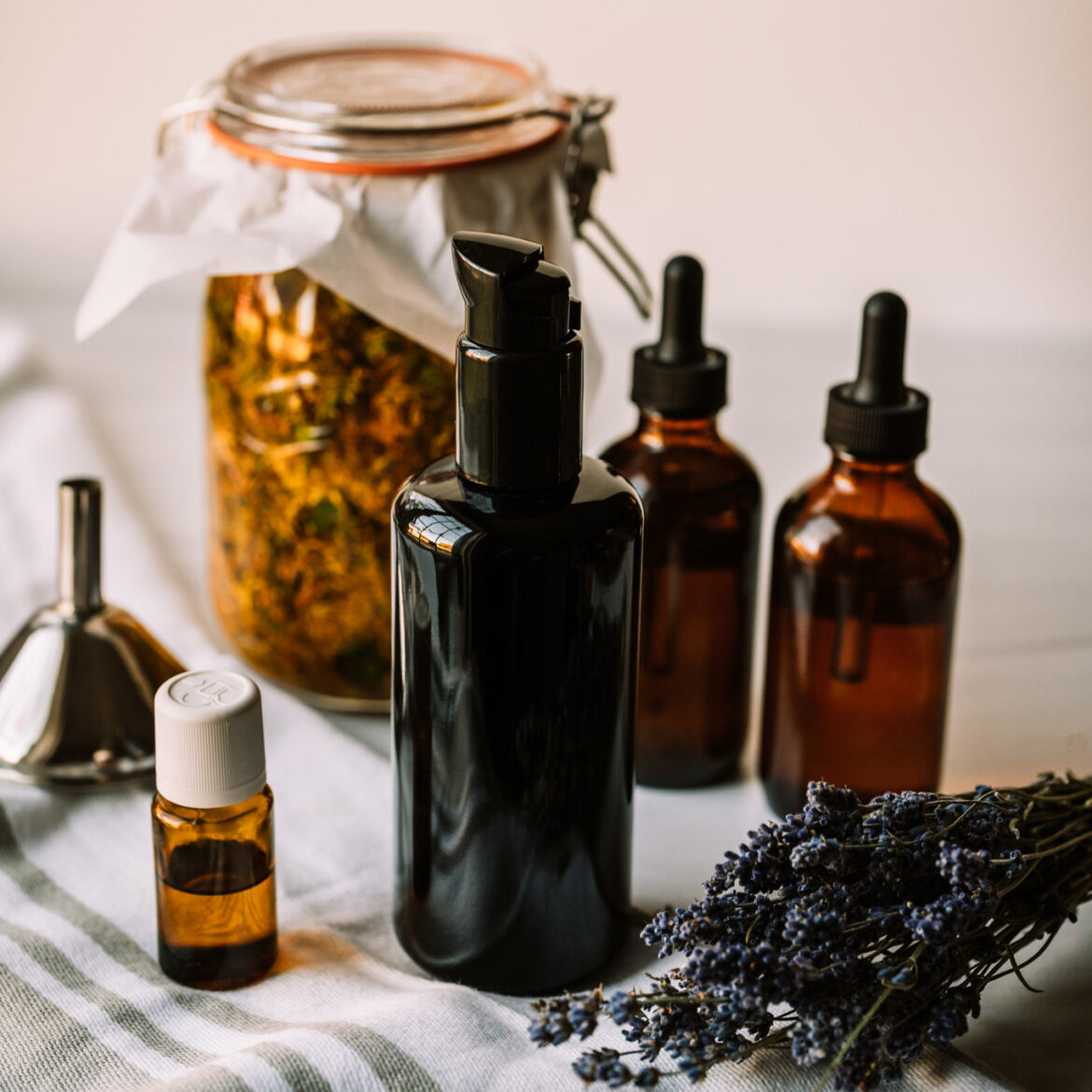
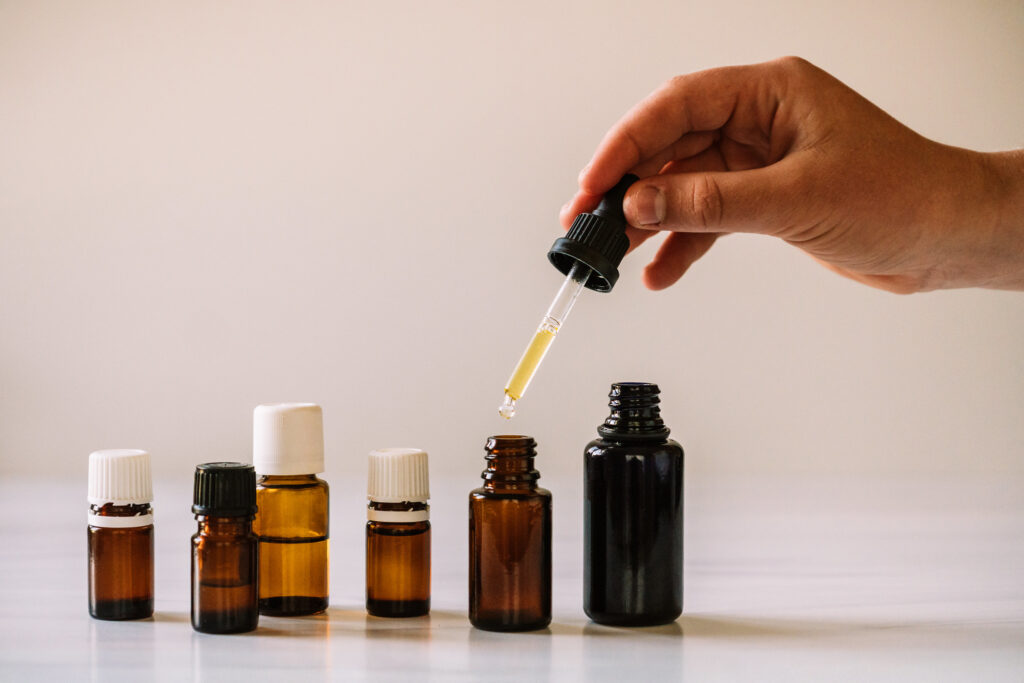
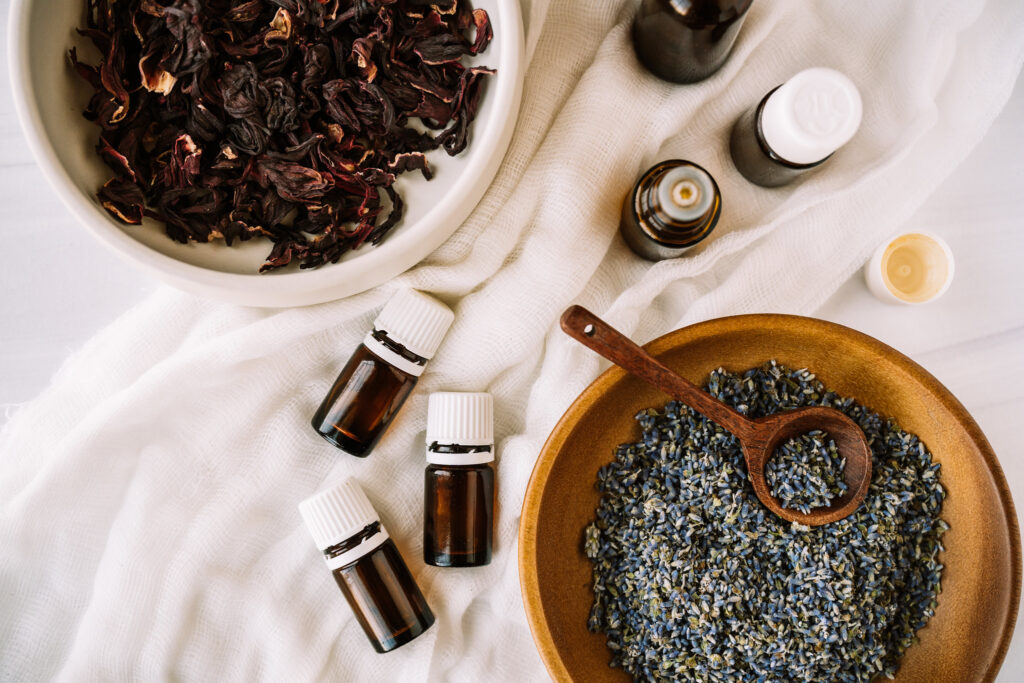
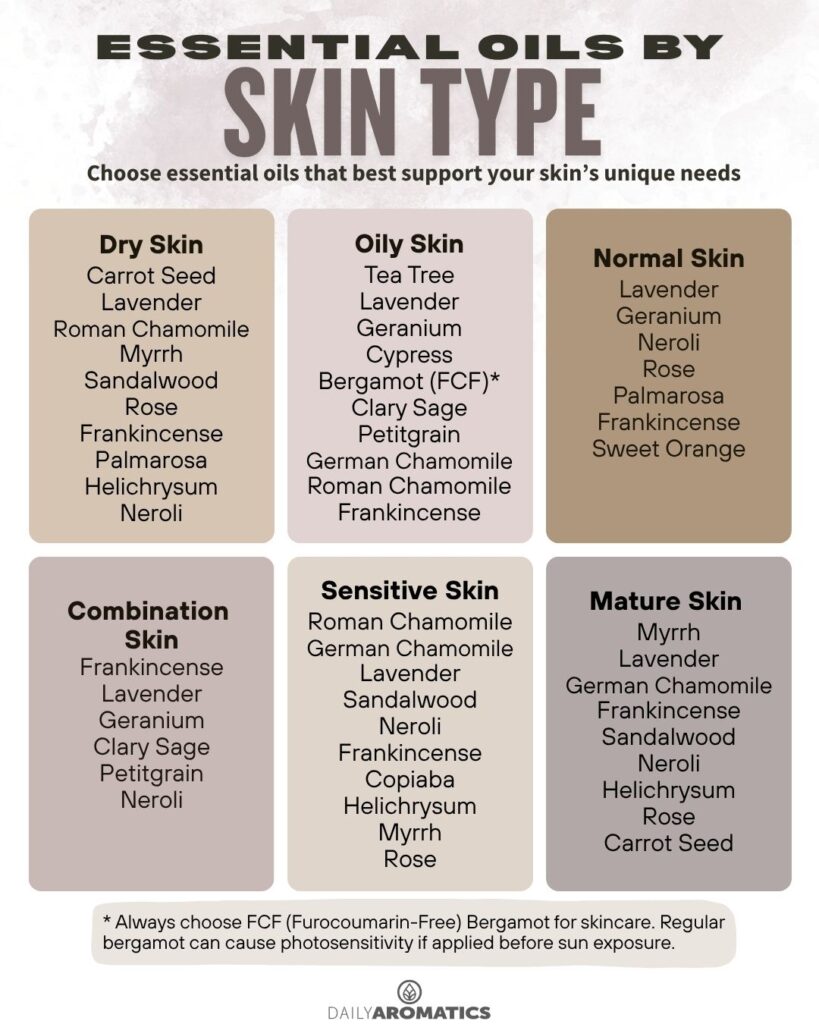
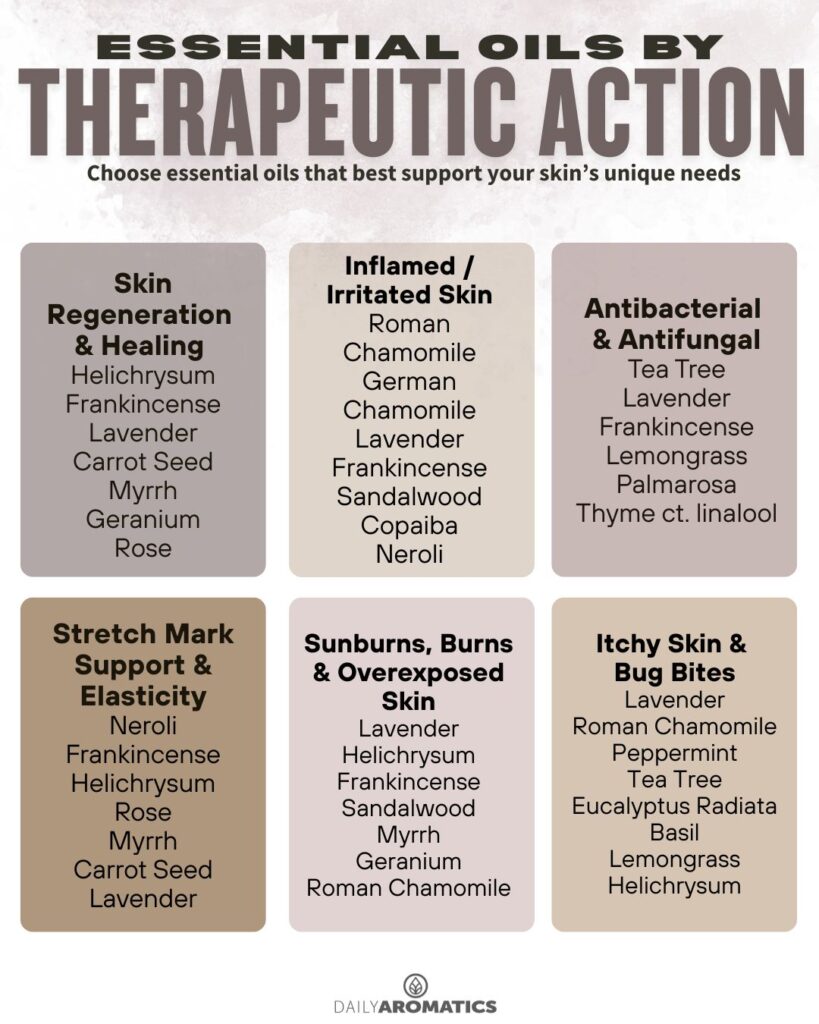
When people first begin exploring natural skin care, they often assume they need a large collection of essential oils. The truth is, a handful of versatile oils can go a long way.

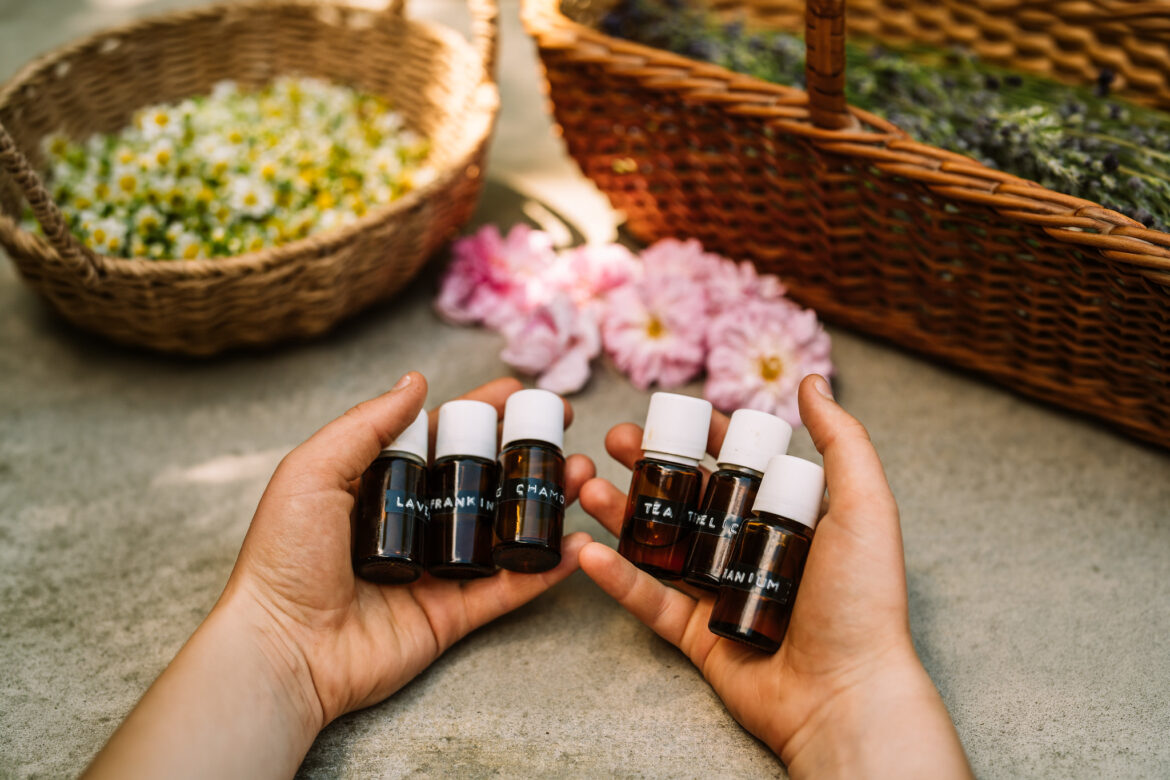
After years of using essential oils in my own home and studying aromatherapy, these are the oils I reach for most often when creating facial oils, salves, body products, and other skin care preparations.

1. Lavender Essential Oil

If I could only keep one essential oil for skin care, lavender would be high on the list.

Lavender is one of the most versatile essential oils available and works well in products for nearly every skin type. It is gentle, widely tolerated, and blends beautifully with other oils.

I often include lavender in:

  • Calendula salves
  • Face serums
  • Body oils
  • After-sun products
  • Hand creams
  • Lip balms

Because it is so versatile, lavender is often the first essential oil I recommend for beginners interested in making their own skin care products.

2. Frankincense Essential Oil

If lavender is the most versatile skin care oil in my collection, frankincense is probably my favourite oil for mature skin.

Frankincense has earned a permanent place in my skin care cupboard because of the wide variety of ways it can be used. While it is often associated with anti-aging products, its usefulness extends well beyond wrinkles and mature skin.

I frequently reach for frankincense when creating blends intended to support:

  • Mature skin
  • Fine lines and wrinkles
  • Scar tissue
  • Dry or irritated skin
  • Acne-prone skin
  • Inflamed skin conditions
  • Blackheads
  • Skin recovery and postoperative care once the skin has fully closed

Because of its versatility, you’ll find frankincense in many of my facial serums and skin care blends. It pairs beautifully with oils like lavender, helichrysum, geranium, and German chamomile.

What I appreciate most about frankincense is that it feels equally at home in a daily facial serum as it does in a more targeted skin-support blend. If I were building a skin care collection from scratch, frankincense would be one of the first oils I’d purchase.

3. German Chamomile Essential Oil

German chamomile is one of my favourite oils for supporting irritated or unhappy skin.

Its deep blue colour comes from naturally occurring compounds formed during distillation. While it can be more expensive than some other oils, a little goes a long way.

I often reach for German chamomile when creating products designed to support:

  • Sensitive skin
  • Dry skin
  • Red-looking skin
  • Skin that needs extra comfort and care

Because of its strong colour, I typically use only a drop or two in a formulation.

4. Helichrysum Essential Oil

Helichrysum is one of my favourite essential oils for supporting the skin’s natural healing process.

While it is often one of the more expensive oils in an aromatherapist’s collection, it has earned a permanent place in mine because of its versatility and effectiveness. The good news is that a little goes a long way, so a bottle can last surprisingly long.

I often reach for helichrysum when creating blends designed to support:

  • Bruises
  • Bumps and scrapes
  • Dry or damaged skin
  • Stretch marks
  • Skin that needs extra care and support
  • Various skin concerns such as dermatitis, eczema, and psoriasis

Because it is such a potent oil, I typically use only a few drops at a time. For me, helichrysum is one of those oils that justifies its higher price tag through the many ways it can be used.

5. Geranium Essential Oil

Geranium is often referred to as a balancing oil for the skin.

Its floral aroma makes it a popular addition to facial products, creams, and body care formulations. It pairs particularly well with lavender, frankincense, and citrus oils.

I often use geranium in:

  • Facial oils
  • Moisturizers
  • Body oils
  • Skin balancing blends

Even though I don’t particularly enjoy diffusing geranium, I appreciate what it brings to skin care recipes.

6. Tea Tree Essential Oil

Tea tree is the oil I reach for most often when blemishes make an appearance.

It has earned a reputation as one of the most popular essential oils for problem-prone skin and is frequently included in spot treatments, cleansers, and facial products.

I use tea tree in:

  • Facial cleansers
  • Spot treatments
  • Clarifying products
  • Foot care products

Because of its strong aroma, I usually blend it with other oils rather than using it on its own.

Final Thoughts

One of the biggest lessons I’ve learned over the years is that natural skin care doesn’t have to be complicated.

While there are many wonderful essential oils available, these six are the ones I consistently reach for when creating skin care products for myself and my family.

If you’re just getting started, don’t feel like you need dozens of oils. A small collection of versatile favourites can take you surprisingly far.
Further Reading

  • Choosing a Carrier Oil
  • Botanical Skin Care: A Simple Introduction to Caring for Your Skin with Plants
  • How to Make Calendula Salve
  • Dilution Guide for Essential Oils
0 comments
0 FacebookTwitterPinterestEmail
Botanical SkincareDIYEssential OilsHerbalism

How to Make Calendula Salve (And Why It’s One of the Herbal Remedies I Recommend You Keep in Your Home)

by Daily Aromatics June 5, 2026

If I could only grow a handful of medicinal herbs, calendula would always make the list.

Of all the herbs I grow, calendula is one of the hardest-working.

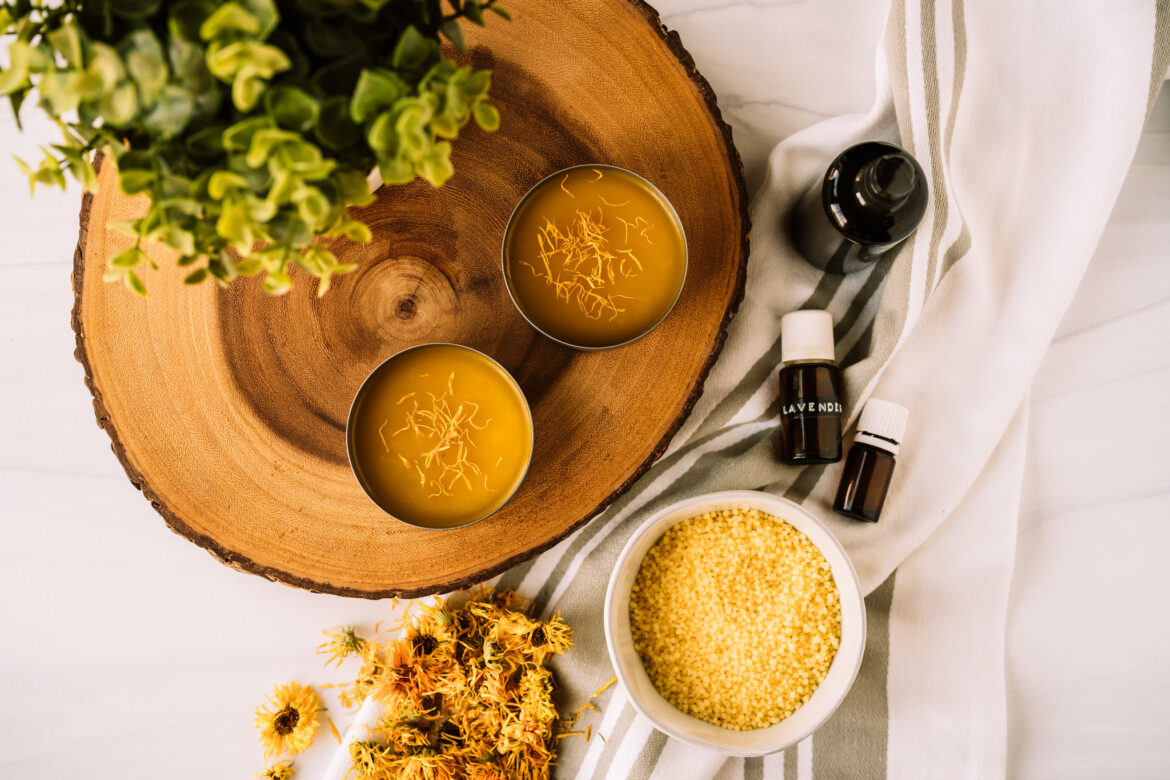
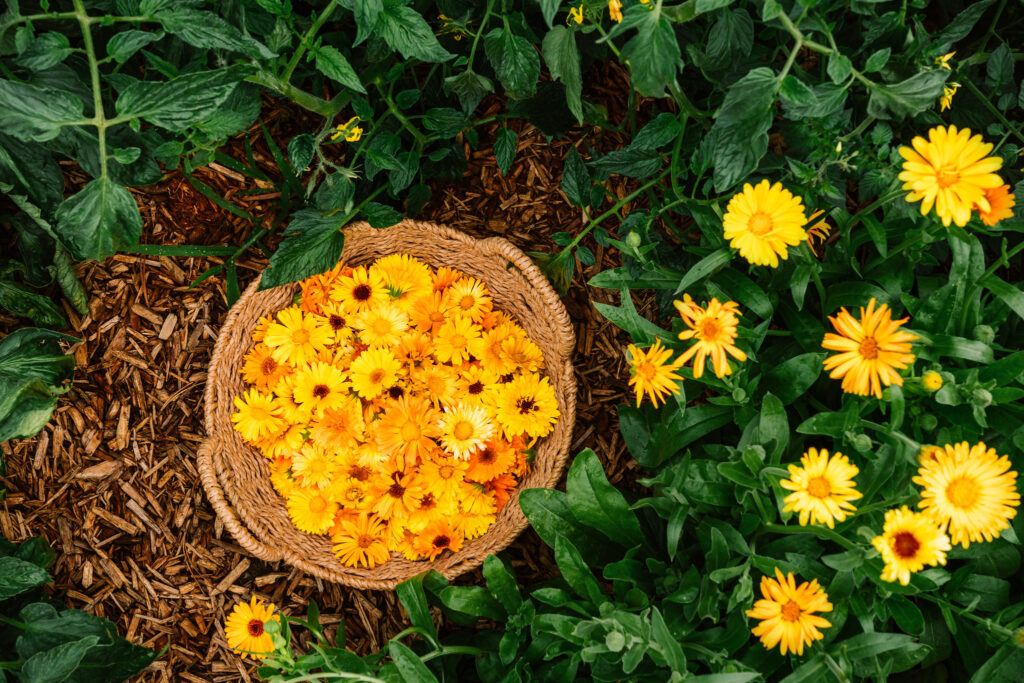
Every summer I harvest baskets of bright orange blossoms, dry them, and infuse them into oil. That oil becomes salves, balms, body care products, and skin-supportive remedies that my family reaches for all year long. Nearly every time a recipe calls for a carrier oil, I’m grabbing my calendula-infused oil for the added benefits!

From scraped knees and scratches to dry hands, rough patches, and chapped lips, this calendula salve recipe has earned a permanent place in our home.

What I love most is how simple it is.

You don’t need dozens of herbs or complicated recipes to begin exploring herbalism. In fact, calendula salve is often one of the very first herbal preparations I encourage people to make because it’s approachable, practical, and genuinely useful. And…it smells amazing!

In this post I’ll show you exactly how I make it.

What Is Calendula?

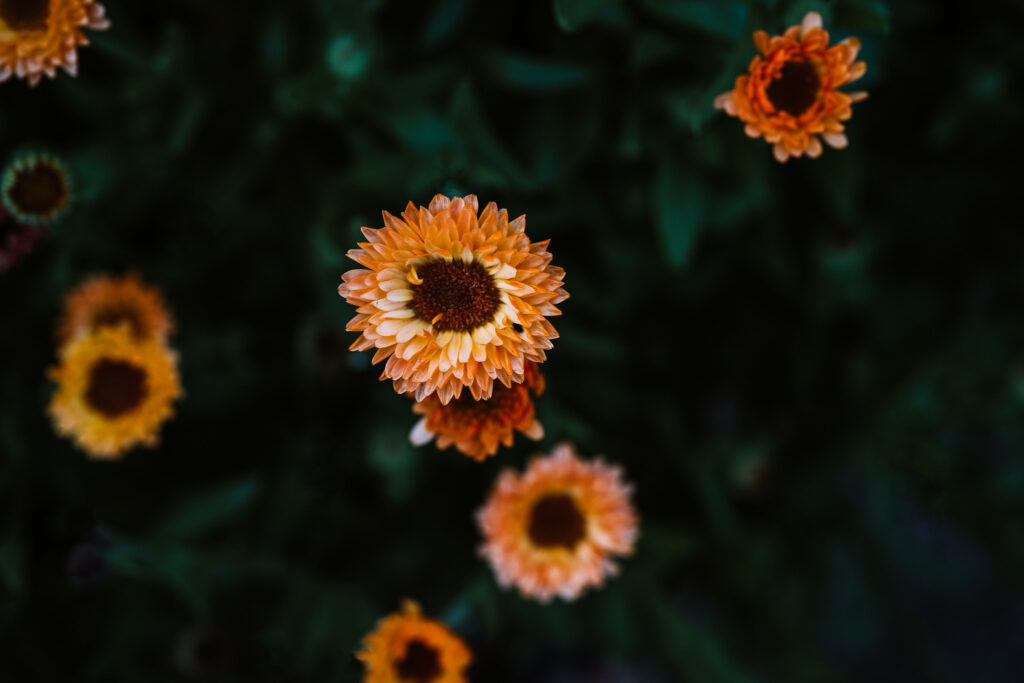
Calendula (Calendula officinalis), sometimes called pot marigold, is a cheerful annual flower known for its bright yellow and orange blooms.

For generations, herbalists have used calendula to support and soothe the skin. The petals contain plant compounds that make calendula a favourite ingredient in salves, oils, creams, and other skin care preparations.

It’s also one of the easiest medicinal herbs to grow in the garden.

I plant calendula every year and usually have more flowers than I know what to do with. The blooms are easy to harvest, dry beautifully, and can be turned into a wide variety of herbal preparations.

One of the reasons I grow so much calendula each year is that it works double duty in the garden. Not only does it provide a steady harvest of medicinal flowers, but it also supports the overall health of the garden itself.

Calendula’s bright blooms attract a wide range of beneficial insects and pollinators. These helpful insects play an important role in pollination and can help keep certain pest populations in check.

Many gardeners also plant calendula alongside vegetables such as tomatoes. While it isn’t a magic shield against pests, calendula is often used as a companion plant because it may help distract aphids and other insects away from nearby crops while attracting beneficial predators that feed on them.

In my own garden, calendula finds its way into multiple vegetable beds. It blooms for months, reseeds readily, supports pollinators, and provides baskets of flowers for herbal preparations.

For a plant that asks for so little, it gives an incredible amount in return.

Why I Love Calendula Salve

Calendula salve is one of those simple remedies that seems to get used for everything.

In our home, we commonly reach for it to support:

  • Dry hands
  • Chapped lips
  • Rough elbows and knees
  • Minor scrapes and scratches
  • Windburned skin
  • Dry patches
  • General skin nourishment

Because it contains only a few ingredients, it’s also a wonderful beginner herbal project.

How to Make Calendula-Infused Oil

Before you can make calendula salve, you’ll need calendula-infused oil.

Simply fill a clean glass jar with dried calendula flowers. I usually pack it very lightly in the jar, leaving enough head-space so the oil can completely cover the dried calendula. I then pour the oil, ensuring all the flowers are submerged.

Store the jar in a warm location for 4–6 weeks, flipping occasionally.

When the infusion is complete, strain out the flowers and store the finished oil in a clean glass container.

Some good carrier oil choices include:

  • Olive oil
  • Sweet almond oil
  • Sunflower oil
  • Jojoba oil (my personal favourite)

I personally love jojoba oil because it’s very similar to the skin’s natural oils. However, in my experience everyone’s skin behaves differently, and sometimes you just have to experiment to find what works best for you.

All-Purpose Calendula Salve Recipe

Ingredients

  • 1/2 cup calendula-infused oil (see above)
  • 14–15 g beeswax pellets (about 1 tablespoon)
  • 1/2 tablespoon shea butter (optional)
  • 3–5 drops vitamin E oil (optional)
  • 3–6 drops lavender essential oil (optional)

Instructions

  1. Combine the calendula-infused oil and beeswax in a heat-safe jar or double boiler.
  2. Heat gently until completely melted.
  3. Stir in the shea butter if using.
  4. Remove from heat.
  5. Add vitamin E and lavender essential oil if desired.
  6. Pour into tins or jars and allow to cool completely before using.

Frequently Asked Questions

Can I make calendula salve without essential oils?

Absolutely.

Calendula salve works beautifully on its own. The lavender essential oil is completely optional.

How long does calendula salve last?

When made with fresh ingredients and stored away from heat and direct sunlight, calendula salve will typically last 12 months or longer.

Can I use fresh calendula flowers?

I recommend using dried calendula flowers when making infused oil. Fresh flowers contain water, which can increase the risk of spoilage.

Is calendula easy to grow?

Very.

Calendula is one of the easiest herbs I grow. It germinates readily, blooms for months, attracts pollinators, and often reseeds itself.

Final Thoughts

If you’re interested in herbalism but feel overwhelmed by all the information out there, start here.

One herb. One infused oil. One simple salve.

Calendula salve is proof that herbalism doesn’t have to be complicated to be effective. Sometimes the simplest remedies are the ones we reach for most often.

And if you have room in your garden this year, consider planting a packet of calendula seeds. You may be surprised by how often you find yourself reaching for those cheerful orange flowers!

0 comments
0 FacebookTwitterPinterestEmail
Botanical SkincareEssential OilsHerbalism

Botanical Skin Care: A Simple Introduction to Caring for Your Skin with Plants

by Daily Aromatics April 14, 2026

Growing up, I was never the girl who wore makeup.

Part of that was simply my personality. I was more comfortable outdoors than in front of a mirror, and I was much more of a tomboy than a fashion enthusiast.

But even at a young age, I noticed something that stayed with me.

Many of the girls around me seemed to rely heavily on makeup to cover blemishes and acne. Whether the products they were using were actually contributing to their skin concerns or not, I remember wondering if putting more synthetic ingredients on the skin was really helping.

That observation planted a seed.

I decided early on that I wanted to be thoughtful about what I put on my skin.

More than thirty years later, I still do not wear makeup, and I remain deeply aware of the ingredients in the products my family uses every day.

What I have discovered over the years is that nature offers an incredible array of ingredients that can gently support healthy skin.

Herbs, flowers, clays, plant oils, and essential oils have been used for generations to cleanse, soothe, and nourish the skin.

Botanical skin care is not about chasing perfection.

It is about working with nature to care for the skin you are in.


What Is Botanical Skin Care?

Botanical skin care refers to using ingredients derived from plants to support healthy skin.

These ingredients may include:

  • Herbal infused oils
  • Plant butters
  • Carrier oils
  • Floral waters (hydrosols)
  • Clays
  • Oats
  • Honey
  • Essential oils
  • Dried herbs and flowers

Rather than relying solely on synthetic ingredients, botanical skin care uses the natural properties of plants to cleanse, moisturize, soothe, and protect the skin.


Why What You Put on Your Skin Matters

Your skin is your body’s largest organ.

It serves as a protective barrier, but it also comes into daily contact with the products we apply to it.

This does not mean every ingredient is harmful, nor does it mean you need to throw everything away overnight.

But becoming more aware of what you use can help you make informed choices and reduce unnecessary exposure to synthetic fragrances, preservatives, and other ingredients that may irritate sensitive skin.

Botanical skin care offers a simpler and more intentional approach.


Benefits of Botanical Skin Care

Plants contain naturally occurring compounds that can support the skin in many ways.

Depending on the ingredient, botanicals may help to:

  • Soothe irritation
  • Support the skin barrier
  • Lock in moisture
  • Calm redness
  • Gently cleanse
  • Provide antioxidants
  • Promote a healthy-looking complexion

Perhaps most importantly, botanical skin care encourages us to slow down and reconnect with the natural world.


Simple Ingredients to Start With

If you are new to botanical skin care, you do not need dozens of ingredients.

A few versatile staples can go a long way.

Calendula

Often called one of the best herbs for skin care, calendula is traditionally used to soothe dry, irritated, or sensitive skin.

Chamomile

Known for its calming properties, chamomile is excellent for delicate or reactive skin.

Oats

Finely ground oats help cleanse gently and soothe itchy or dry skin.

Honey

A natural humectant that helps draw moisture to the skin.

Jojoba Oil

A lightweight oil that closely resembles the skin’s natural sebum.

Kaolin Clay

A mild clay that helps cleanse without over-drying.


Essential Oils for Botanical Skin Care

Essential oils can also play a beautiful supportive role in botanical skin care when used properly and in appropriate dilutions.

Because essential oils are highly concentrated plant extracts, a little goes a very long way. They are typically blended into carrier oils, creams, balms, and other preparations rather than applied directly to the skin.

Some beginner-friendly essential oils often used in skin care include:

Lavender (Lavandula angustifolia)

A gentle and versatile oil commonly used to support dry, sensitive, or irritated skin.

Frankincense (Boswellia carterii)

Often incorporated into facial oils and creams to support healthy-looking, mature skin.

Tea Tree (Melaleuca alternifolia)

Traditionally used in skin care for blemish-prone or congested skin.

German Chamomile (Matricaria chamomilla)

Known for its calming properties and often used in preparations for delicate or reactive skin.

Helichrysum (Helichrysum italicum)

A treasured oil in botanical skin care that is often included in facial serums, balms, and restorative skin preparations.

Other beautiful additions may include Geranium, Rose, Sandalwood, and Neroli.

As with any skin care ingredient, essential oils should be used thoughtfully and in proper dilution. (See more on dilution here and more on general essential oil safety here)


Easy Ways to Begin

You do not need a complicated routine.

Start with one or two simple preparations:

  • Herbal infused oils
  • Calendula salves
  • Cleansing grains
  • Honey masks
  • Herbal facial steams

These preparations are easy to make and help you experience the benefits of plants firsthand.


Final Thoughts

One of the most beautiful things about botanical skin care is its simplicity.

You do not need an elaborate routine or a shelf full of expensive products.

Some of the most effective skin care ingredients are flowers, herbs, oils, and clays that have been used for generations.

Start with one plant.

Learn how it feels, smells, and supports your skin.

Over time, you may discover that nature has been offering exactly what you need all along.

0 comments
0 FacebookTwitterPinterestEmail
Botanical SkincareEssential Oils

Choosing a Carrier Oil

by Daily Aromatics April 14, 2026

Introduction

When people first begin using essential oils, they often focus entirely on the essential oils themselves.

But carrier oils are just as important.

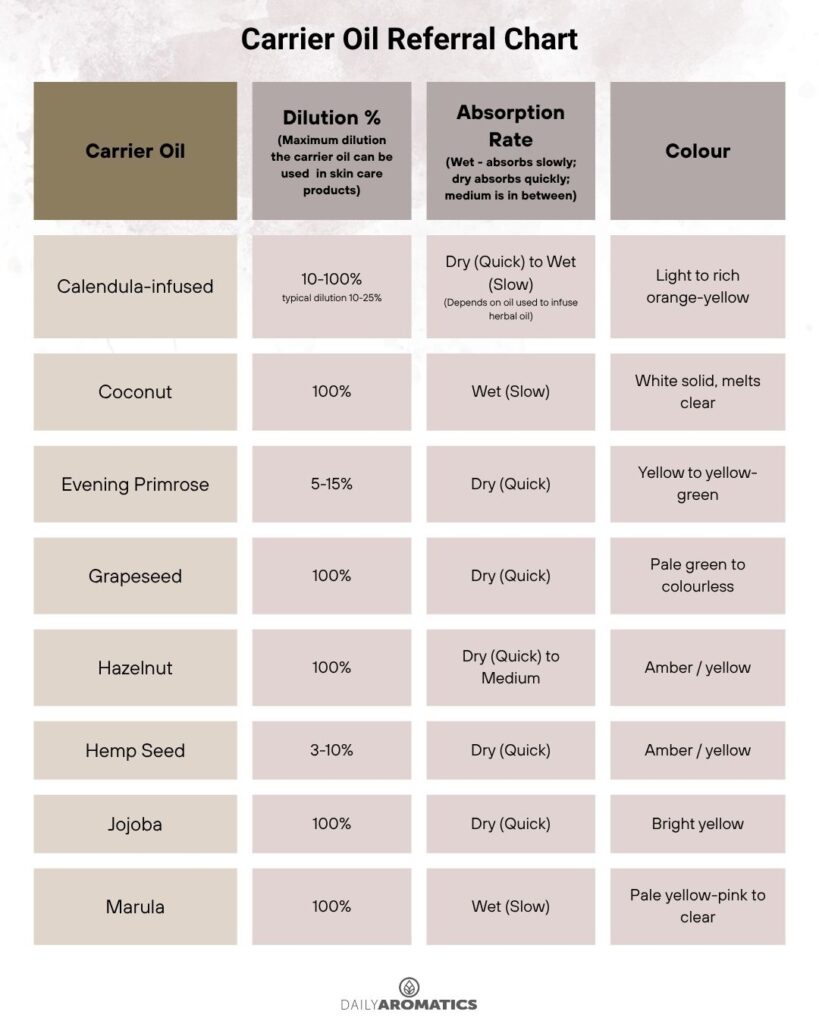
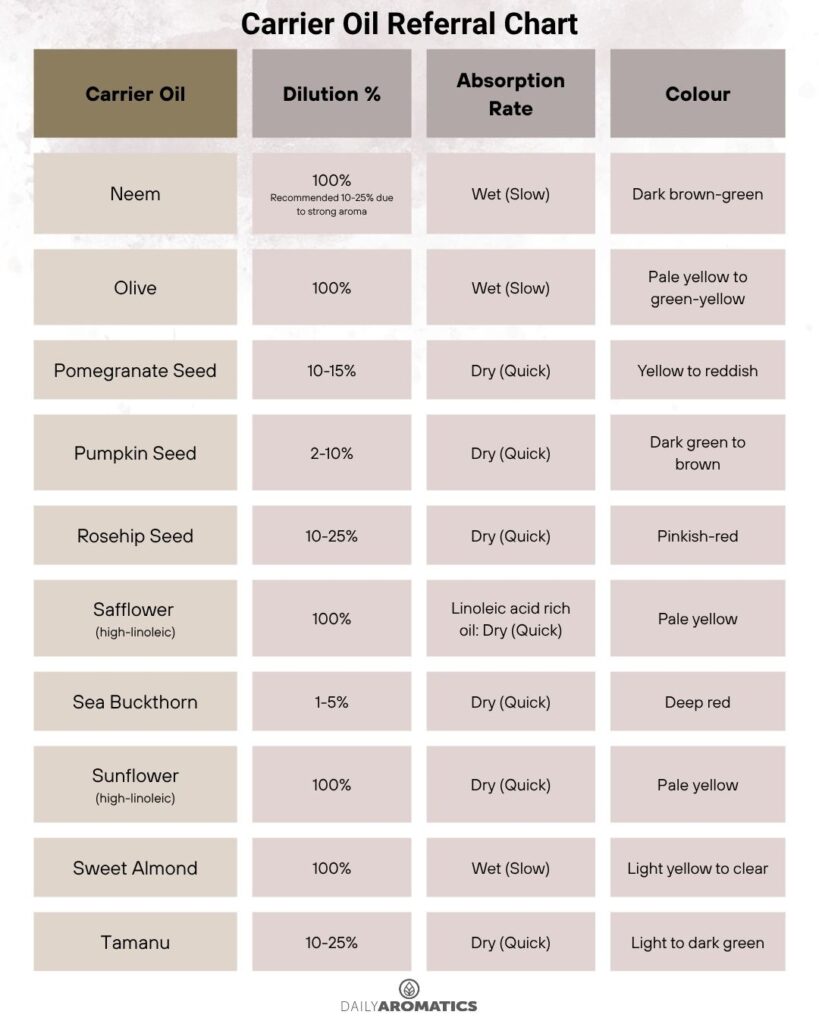
Carrier oils help dilute essential oils for safe topical use, improve skin feel, slow evaporation, and bring their own nourishing properties to the skin.

And the beautiful thing is that carrier oils are not one-size-fits-all.

Some are lightweight and balancing.
Others are deeply moisturizing and protective.
Some absorb quickly, while others create a richer barrier on the skin.

Learning how to choose a carrier oil can completely change (and elevate!) how your DIY recipes and skin care preparations feel and perform.


What Is a Carrier Oil?

Carrier oils are plant oils that are used to dilute essential oils before they are applied to the skin.

Unlike essential oils, carrier oils are not highly concentrated aromatic extracts. They are typically pressed from nuts, seeds, or kernels and contain fatty acids, vitamins, and other skin-supportive compounds.

Carrier oils help “carry” essential oils onto the skin safely while also offering their own therapeutic and cosmetic benefits.

Some of the most commonly used carrier oils include:

  • Jojoba oil
  • Sweet almond oil
  • Fractionated coconut oil
  • Olive oil
  • Rosehip oil
  • Avocado oil
  • Argan oil

Why Choosing the Right Carrier Oil Matters

Not every carrier oil feels the same on the skin.

Some oils absorb almost instantly and leave very little residue, while others create a richer, more protective barrier.

Your skin type, the purpose of your preparation, and even the time of year can influence which carrier oil works best for you.

For example:

  • A lightweight facial serum may benefit from jojoba or grapeseed oil
  • A deeply nourishing body butter may use avocado or olive oil
  • A massage blend may benefit from slower-absorbing oils
  • Dry winter skin often responds well to richer oils

Choosing a carrier oil intentionally helps create preparations that feel better and work better.


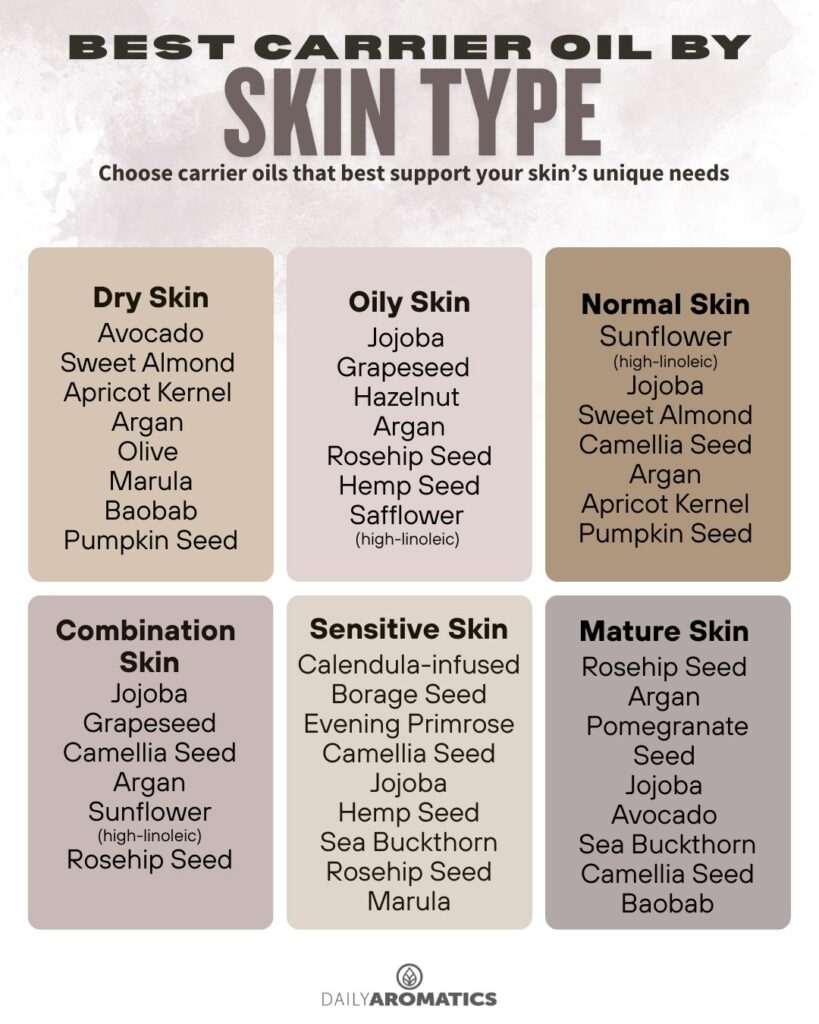
Choosing Carrier Oils by Skin Type

One of the easiest ways to begin choosing carrier oils is by considering your skin type.

Some oils are better suited for oily or blemish-prone skin, while others are more supportive for dry, mature, or sensitive skin.

This does not mean there is only one “correct” oil for each skin type. Skin care is highly individual, and experimentation is part of the process.

Start simple and notice how your skin responds.


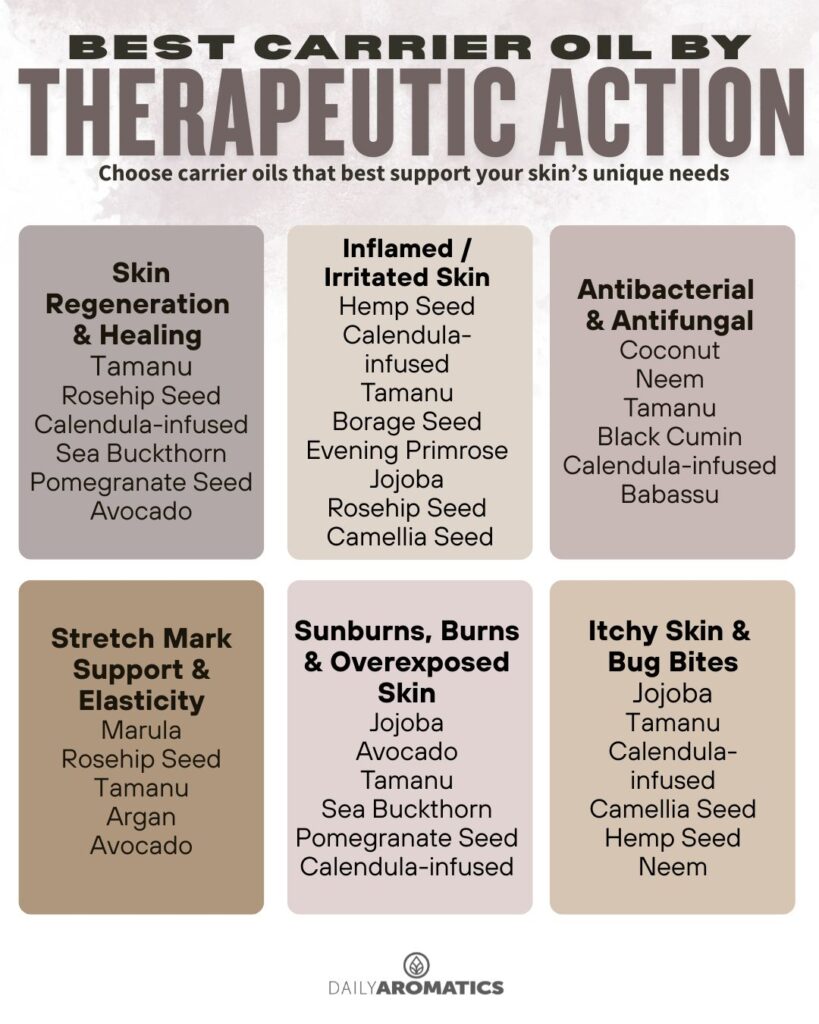
Carrier Oils Offer More Than Dilution

Carrier oils do much more than simply dilute essential oils.

Many contain naturally occurring compounds that help support the skin barrier, soften the skin, lock in moisture, or provide antioxidant support.

Some are calming and soothing.
Others feel rich and restorative.
Some are prized in facial care, while others are excellent for massage oils, salves, and body products.

Over time, you may find yourself reaching for different oils for different purposes.


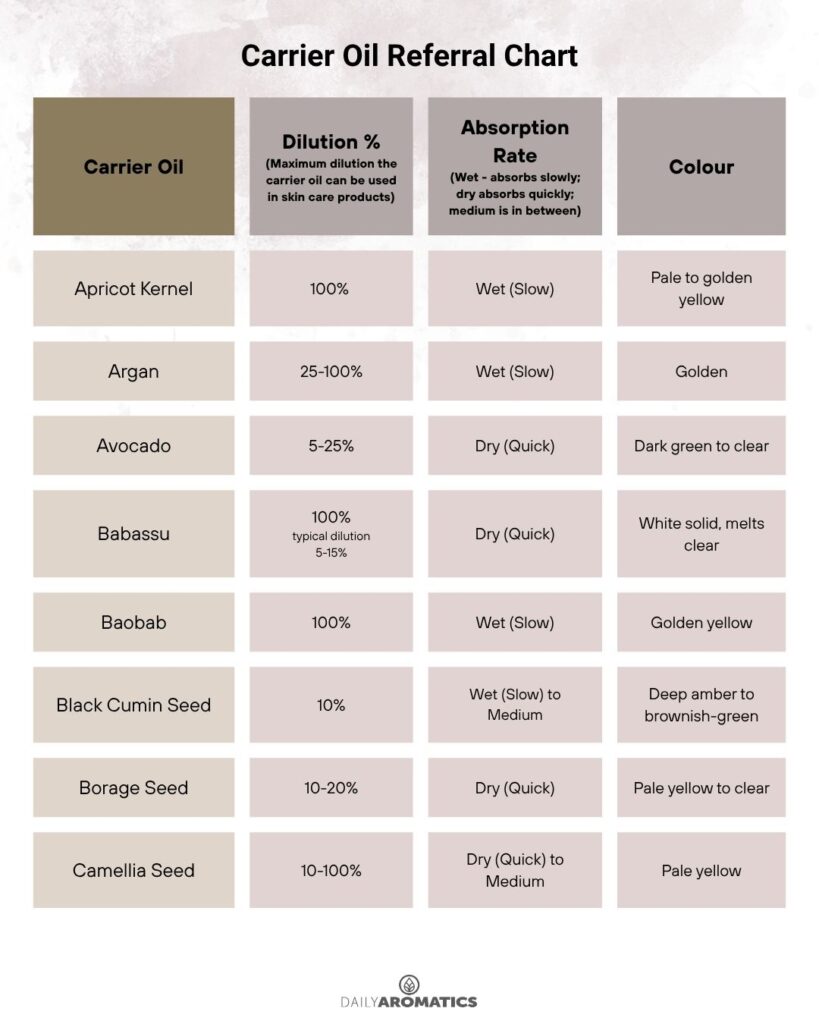
Understanding Skin Feel and Absorption Speed

One of the biggest differences between carrier oils is how they feel on the skin.

Some oils absorb quickly and feel dry or silky.
Others remain on the skin longer and create a heavier or more protective feel.

Neither is necessarily better.

A lightweight oil may feel beautiful in a facial serum, while a richer oil may be ideal for dry hands, body butters, or winter skin care.

Understanding absorption speed can help you build preparations that feel more enjoyable and balanced.


Pairing Essential Oils with Carrier Oils

Carrier oils and essential oils work beautifully together.

A thoughtfully chosen carrier oil can complement the properties and skin feel of the essential oils you add to it.

For example:

  • Lavender pairs beautifully with jojoba or sweet almond oil
  • Tea tree is often blended into lighter oils for blemish-prone skin
  • Frankincense and rosehip are commonly paired in facial serums
  • Chamomile works beautifully in soothing preparations for delicate skin

Simple combinations are often the most effective.


Final Thoughts

Choosing a carrier oil does not need to feel complicated.

Start with one or two versatile oils and spend time getting familiar with how they feel, absorb, and support your skin.

Over time, you will naturally begin to understand which oils you prefer for facial care, body care, salves, massage blends, and everyday preparations.

Like so much of botanical skin care, the process is less about perfection and more about learning to work with plants in a thoughtful and intentional way.

0 comments
0 FacebookTwitterPinterestEmail

About Me

About Me

About the Author

Hi, I’m Amy — a certified aromatherapist, herbal enthusiast, wife, mother, and dairy farmer passionate about simple, plant-based living. Here I share essential oil education, herbal recipes, botanical skincare, and practical ways to support a healthier, more natural lifestyle through the power of plants.


Newsletter

Natural living inspiration, herbal recipes, and essential oil education — straight to your inbox.

Thank you!

You have successfully joined our subscriber list.

Instagram

Recent Posts

  • The Essential Oils I Reach for Most for Skin Care

  • How to Make Calendula Salve (And Why It’s One of the Herbal Remedies I Recommend You Keep in Your Home)

  • Natural Home: Creating a Cleaner, Calmer Home with Simple Plant-Based Alternatives

  • Seasonal Support: Working with Nature Throughout the Year

  • My Favourite Essential Oils for Beginners

Categories

  • Botanical Skincare (4)
  • DIY (2)
  • Essential Oils (10)
  • Featured (3)
  • Gardening (1)
  • Herbalism (5)
  • Natural Home (3)

Quick Links

About
Blog
Contact
Privacy Policy
Disclaimer
Instagram Facebook

Stay Connected

Natural living inspiration, herbal recipes, and essential oil education — straight to your inbox.

Thank you!

You have successfully joined our subscriber list.

Featured Posts

My Favourite Essential Oils for Beginners
Dilution Guide for Essential Oils
Essential Oil Safety

© 2026 Daily Aromatics. All Rights Reserved.

  • Home
  • About
  • Contact
  • Blog
  • Privacy Policy
  • Disclaimer
Welcome
  • Home
  • Blog
  • Shop
  • About
  • Contact

Shopping Cart

Close

No products in the cart.

Close