
Introduction
When people first begin using essential oils, they often focus entirely on the essential oils themselves.
But carrier oils are just as important.
Carrier oils help dilute essential oils for safe topical use, improve skin feel, slow evaporation, and bring their own nourishing properties to the skin.
And the beautiful thing is that carrier oils are not one-size-fits-all.
Some are lightweight and balancing.
Others are deeply moisturizing and protective.
Some absorb quickly, while others create a richer barrier on the skin.
Learning how to choose a carrier oil can completely change (and elevate!) how your DIY recipes and skin care preparations feel and perform.
What Is a Carrier Oil?
Carrier oils are plant oils that are used to dilute essential oils before they are applied to the skin.
Unlike essential oils, carrier oils are not highly concentrated aromatic extracts. They are typically pressed from nuts, seeds, or kernels and contain fatty acids, vitamins, and other skin-supportive compounds.
Carrier oils help “carry” essential oils onto the skin safely while also offering their own therapeutic and cosmetic benefits.
Some of the most commonly used carrier oils include:
- Jojoba oil
- Sweet almond oil
- Fractionated coconut oil
- Olive oil
- Rosehip oil
- Avocado oil
- Argan oil
Why Choosing the Right Carrier Oil Matters
Not every carrier oil feels the same on the skin.
Some oils absorb almost instantly and leave very little residue, while others create a richer, more protective barrier.
Your skin type, the purpose of your preparation, and even the time of year can influence which carrier oil works best for you.
For example:
- A lightweight facial serum may benefit from jojoba or grapeseed oil
- A deeply nourishing body butter may use avocado or olive oil
- A massage blend may benefit from slower-absorbing oils
- Dry winter skin often responds well to richer oils
Choosing a carrier oil intentionally helps create preparations that feel better and work better.
Choosing Carrier Oils by Skin Type
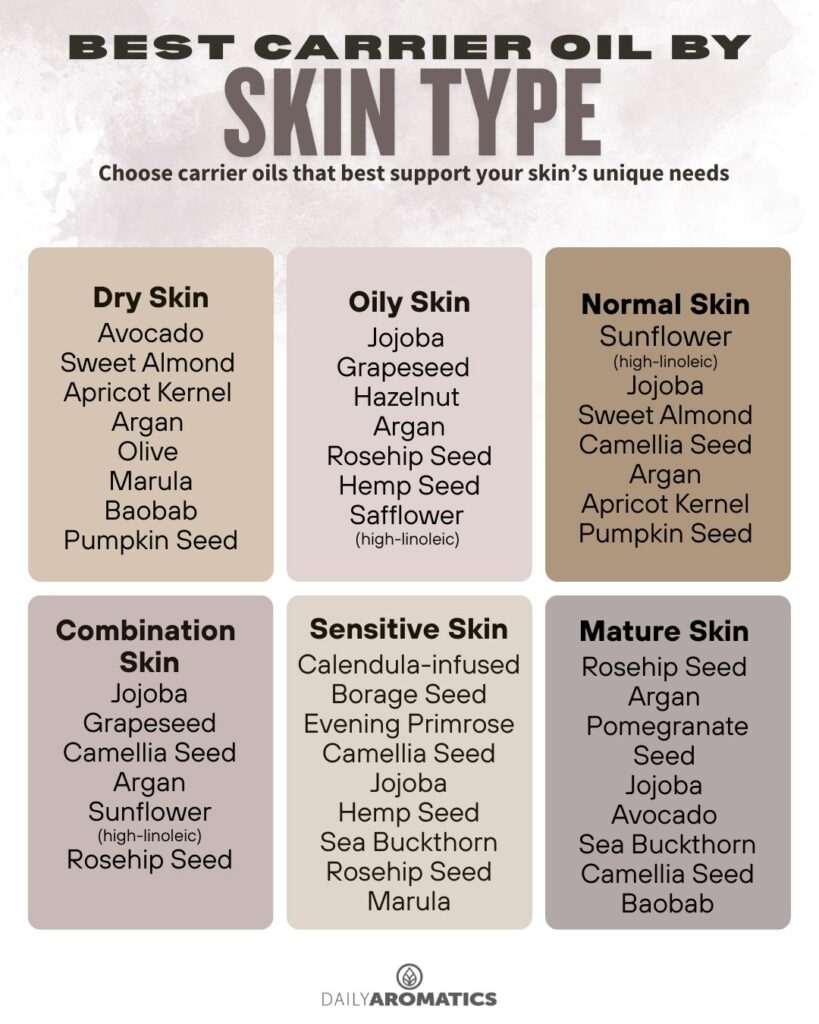
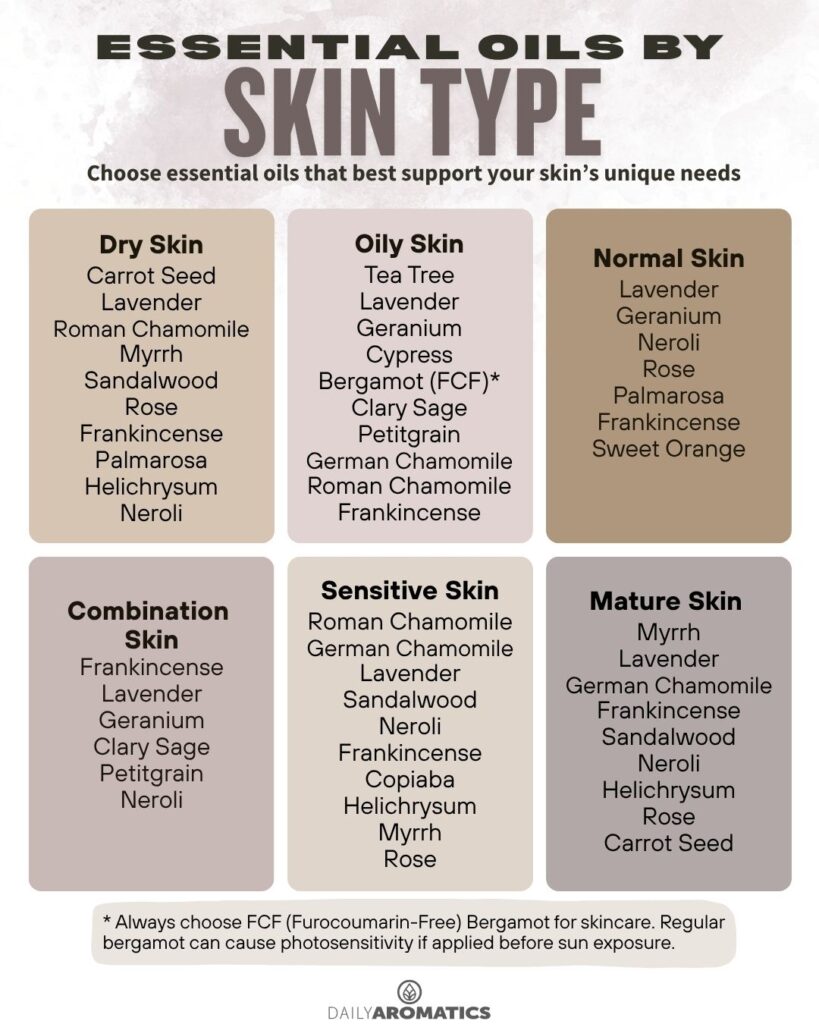
One of the easiest ways to begin choosing carrier oils is by considering your skin type.
Some oils are better suited for oily or blemish-prone skin, while others are more supportive for dry, mature, or sensitive skin.
This does not mean there is only one “correct” oil for each skin type. Skin care is highly individual, and experimentation is part of the process.
Start simple and notice how your skin responds.
Carrier Oils Offer More Than Dilution
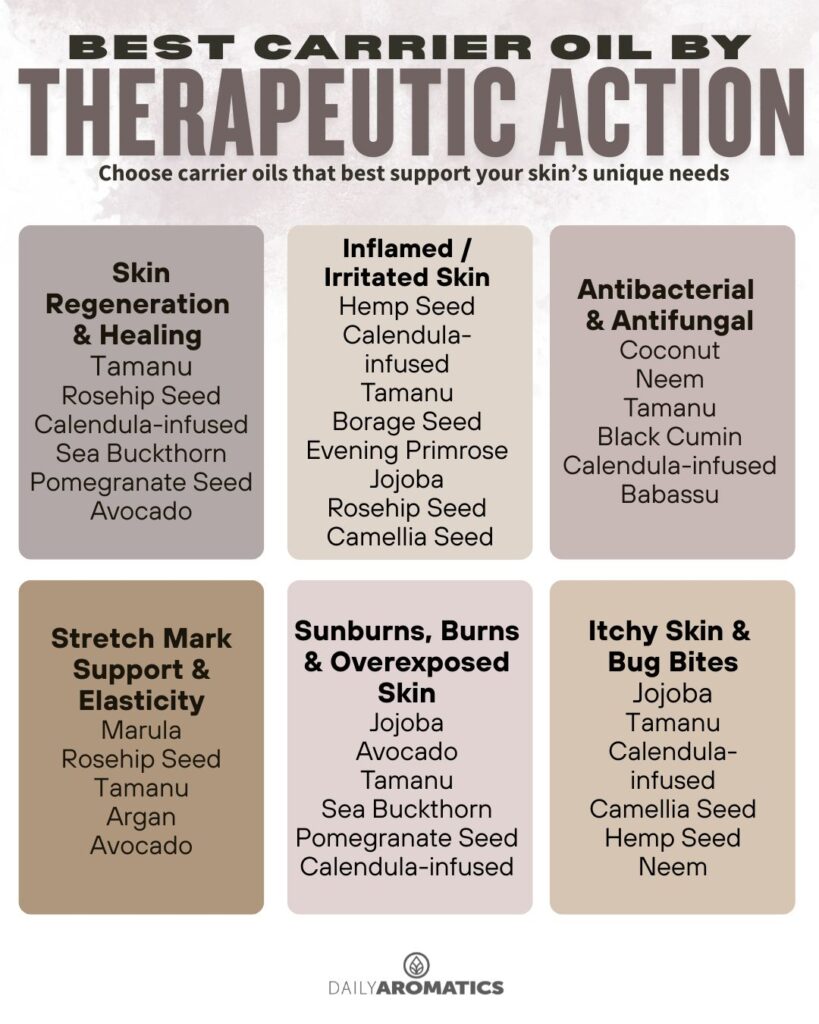
Carrier oils do much more than simply dilute essential oils.
Many contain naturally occurring compounds that help support the skin barrier, soften the skin, lock in moisture, or provide antioxidant support.
Some are calming and soothing.
Others feel rich and restorative.
Some are prized in facial care, while others are excellent for massage oils, salves, and body products.
Over time, you may find yourself reaching for different oils for different purposes.
Understanding Skin Feel and Absorption Speed
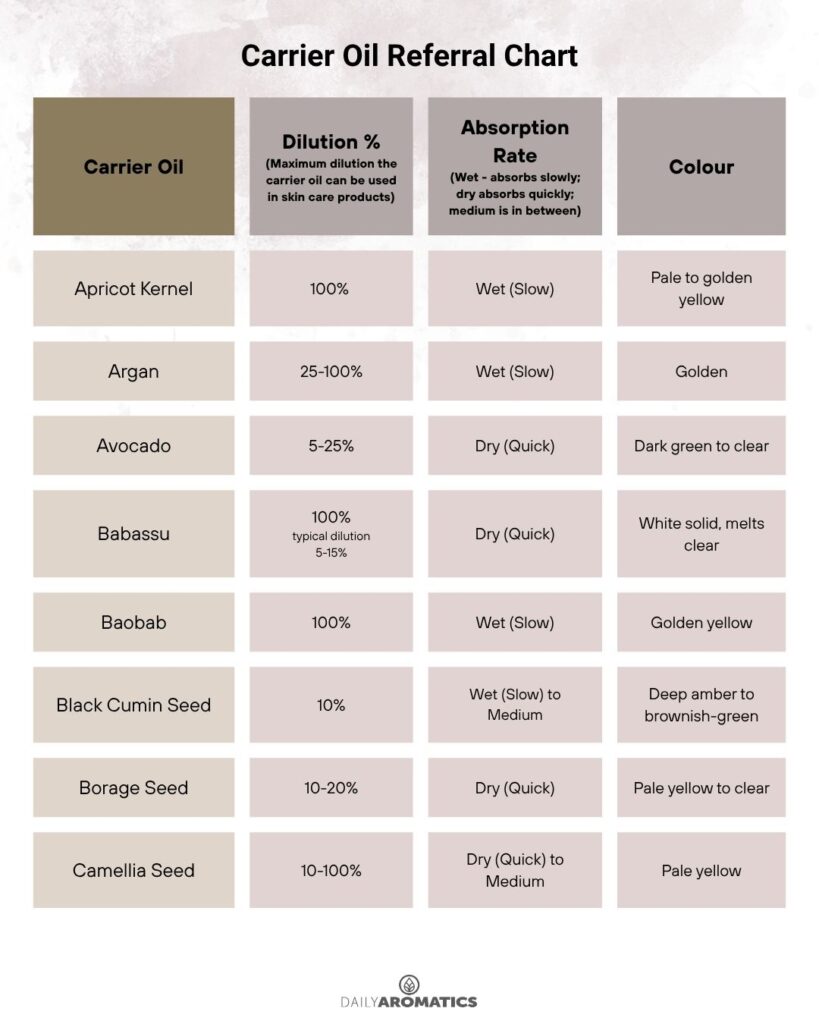
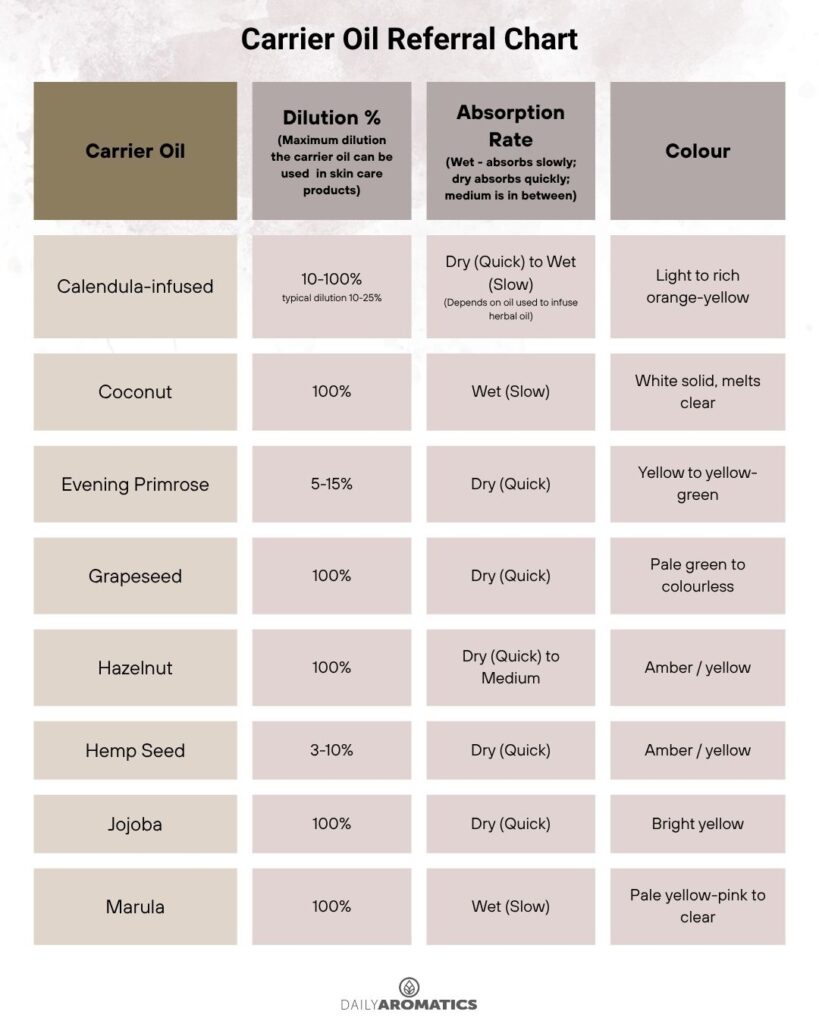
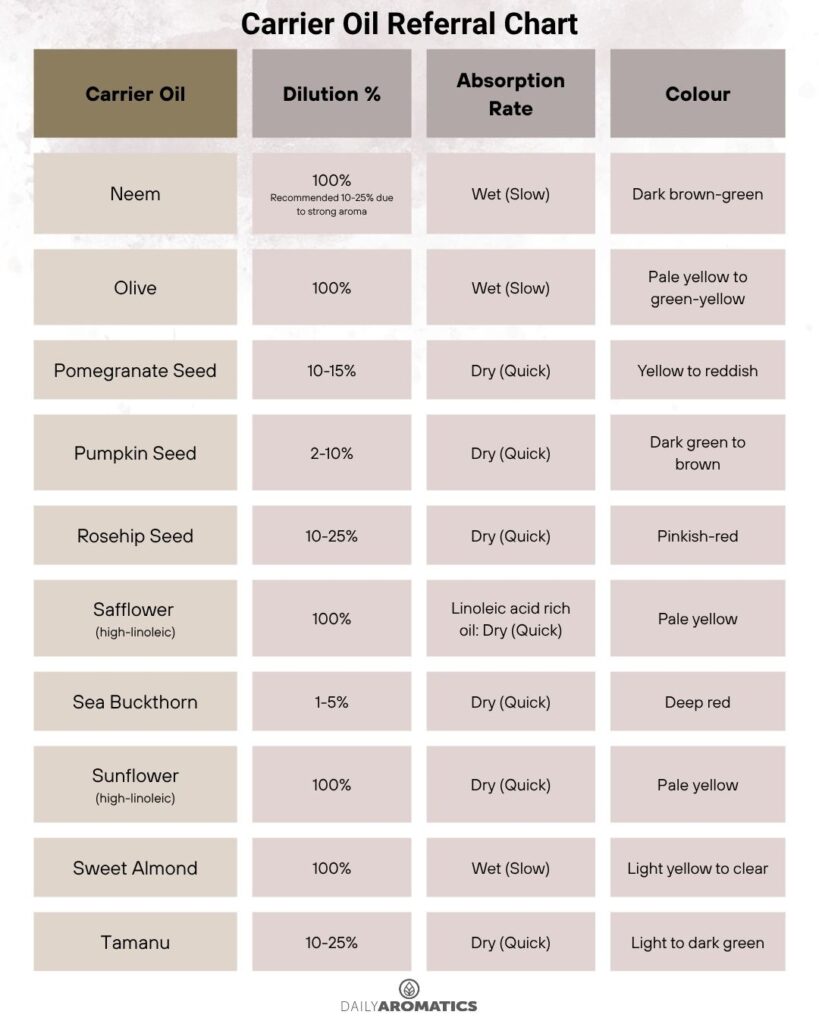
One of the biggest differences between carrier oils is how they feel on the skin.
Some oils absorb quickly and feel dry or silky.
Others remain on the skin longer and create a heavier or more protective feel.
Neither is necessarily better.
A lightweight oil may feel beautiful in a facial serum, while a richer oil may be ideal for dry hands, body butters, or winter skin care.
Understanding absorption speed can help you build preparations that feel more enjoyable and balanced.
Pairing Essential Oils with Carrier Oils
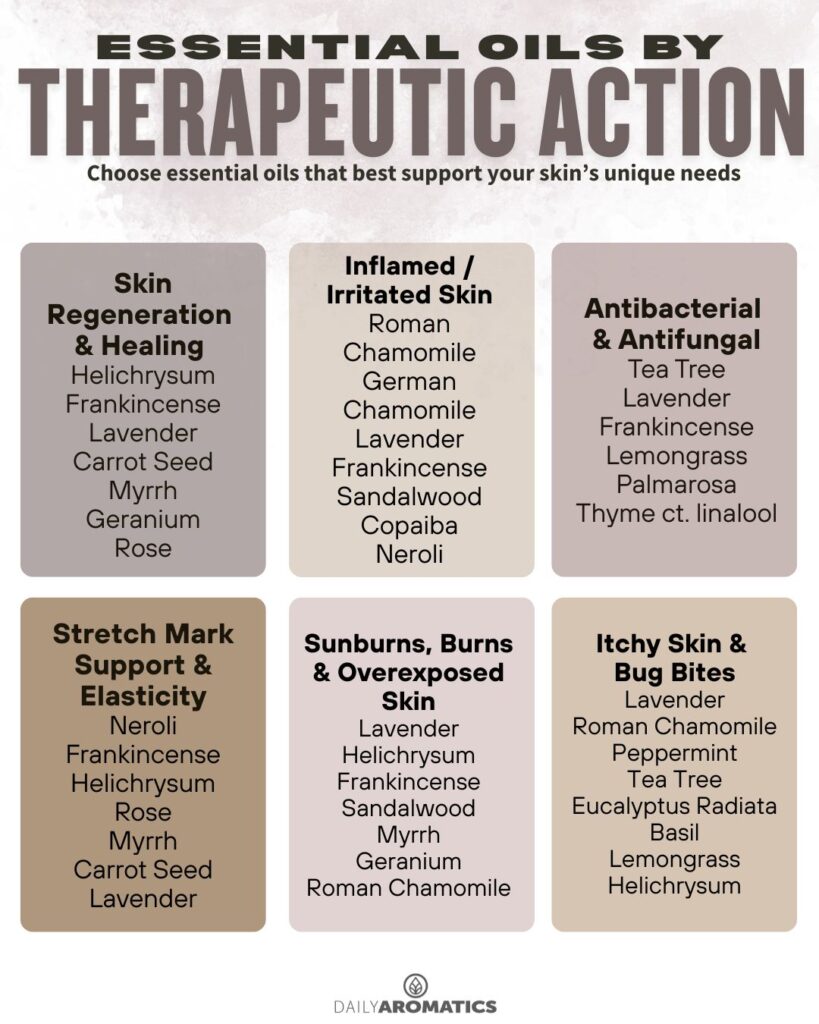
Carrier oils and essential oils work beautifully together.
A thoughtfully chosen carrier oil can complement the properties and skin feel of the essential oils you add to it.
For example:
- Lavender pairs beautifully with jojoba or sweet almond oil
- Tea tree is often blended into lighter oils for blemish-prone skin
- Frankincense and rosehip are commonly paired in facial serums
- Chamomile works beautifully in soothing preparations for delicate skin
Simple combinations are often the most effective.
Final Thoughts
Choosing a carrier oil does not need to feel complicated.
Start with one or two versatile oils and spend time getting familiar with how they feel, absorb, and support your skin.
Over time, you will naturally begin to understand which oils you prefer for facial care, body care, salves, massage blends, and everyday preparations.
Like so much of botanical skin care, the process is less about perfection and more about learning to work with plants in a thoughtful and intentional way.
