Growing up, I was never the girl who wore makeup.
Part of that was simply my personality. I was more comfortable outdoors than in front of a mirror, and I was much more of a tomboy than a fashion enthusiast.
But even at a young age, I noticed something that stayed with me.
Many of the girls around me seemed to rely heavily on makeup to cover blemishes and acne. Whether the products they were using were actually contributing to their skin concerns or not, I remember wondering if putting more synthetic ingredients on the skin was really helping.
That observation planted a seed.
I decided early on that I wanted to be thoughtful about what I put on my skin.
More than thirty years later, I still do not wear makeup, and I remain deeply aware of the ingredients in the products my family uses every day.
What I have discovered over the years is that nature offers an incredible array of ingredients that can gently support healthy skin.
Herbs, flowers, clays, plant oils, and essential oils have been used for generations to cleanse, soothe, and nourish the skin.
Botanical skin care is not about chasing perfection.
It is about working with nature to care for the skin you are in.
What Is Botanical Skin Care?
Botanical skin care refers to using ingredients derived from plants to support healthy skin.
These ingredients may include:
- Herbal infused oils
- Plant butters
- Carrier oils
- Floral waters (hydrosols)
- Clays
- Oats
- Honey
- Essential oils
- Dried herbs and flowers
Rather than relying solely on synthetic ingredients, botanical skin care uses the natural properties of plants to cleanse, moisturize, soothe, and protect the skin.
Why What You Put on Your Skin Matters
Your skin is your body’s largest organ.
It serves as a protective barrier, but it also comes into daily contact with the products we apply to it.
This does not mean every ingredient is harmful, nor does it mean you need to throw everything away overnight.
But becoming more aware of what you use can help you make informed choices and reduce unnecessary exposure to synthetic fragrances, preservatives, and other ingredients that may irritate sensitive skin.
Botanical skin care offers a simpler and more intentional approach.
Benefits of Botanical Skin Care
Plants contain naturally occurring compounds that can support the skin in many ways.
Depending on the ingredient, botanicals may help to:
- Soothe irritation
- Support the skin barrier
- Lock in moisture
- Calm redness
- Gently cleanse
- Provide antioxidants
- Promote a healthy-looking complexion
Perhaps most importantly, botanical skin care encourages us to slow down and reconnect with the natural world.
Simple Ingredients to Start With
If you are new to botanical skin care, you do not need dozens of ingredients.
A few versatile staples can go a long way.
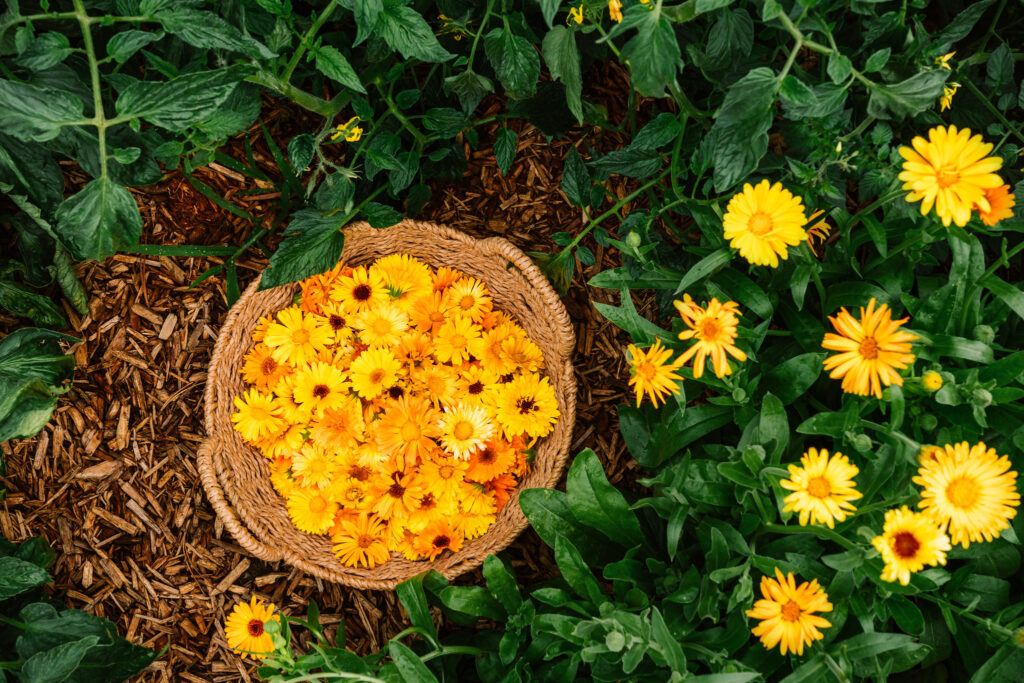
Calendula
Often called one of the best herbs for skin care, calendula is traditionally used to soothe dry, irritated, or sensitive skin.
Chamomile
Known for its calming properties, chamomile is excellent for delicate or reactive skin.
Oats
Finely ground oats help cleanse gently and soothe itchy or dry skin.
Honey
A natural humectant that helps draw moisture to the skin.
Jojoba Oil
A lightweight oil that closely resembles the skin’s natural sebum.
Kaolin Clay
A mild clay that helps cleanse without over-drying.
Essential Oils for Botanical Skin Care
Essential oils can also play a beautiful supportive role in botanical skin care when used properly and in appropriate dilutions.
Because essential oils are highly concentrated plant extracts, a little goes a very long way. They are typically blended into carrier oils, creams, balms, and other preparations rather than applied directly to the skin.
Some beginner-friendly essential oils often used in skin care include:
Lavender (Lavandula angustifolia)
A gentle and versatile oil commonly used to support dry, sensitive, or irritated skin.
Frankincense (Boswellia carterii)
Often incorporated into facial oils and creams to support healthy-looking, mature skin.
Tea Tree (Melaleuca alternifolia)
Traditionally used in skin care for blemish-prone or congested skin.
German Chamomile (Matricaria chamomilla)
Known for its calming properties and often used in preparations for delicate or reactive skin.
Helichrysum (Helichrysum italicum)
A treasured oil in botanical skin care that is often included in facial serums, balms, and restorative skin preparations.
Other beautiful additions may include Geranium, Rose, Sandalwood, and Neroli.
As with any skin care ingredient, essential oils should be used thoughtfully and in proper dilution. (See more on dilution here and more on general essential oil safety here)
Easy Ways to Begin
You do not need a complicated routine.
Start with one or two simple preparations:
- Herbal infused oils
- Calendula salves
- Cleansing grains
- Honey masks
- Herbal facial steams
These preparations are easy to make and help you experience the benefits of plants firsthand.
Final Thoughts
One of the most beautiful things about botanical skin care is its simplicity.
You do not need an elaborate routine or a shelf full of expensive products.
Some of the most effective skin care ingredients are flowers, herbs, oils, and clays that have been used for generations.
Start with one plant.
Learn how it feels, smells, and supports your skin.
Over time, you may discover that nature has been offering exactly what you need all along.